London Hip-Hop Business Moves: Deals, Independence, and the Money Behind the Music
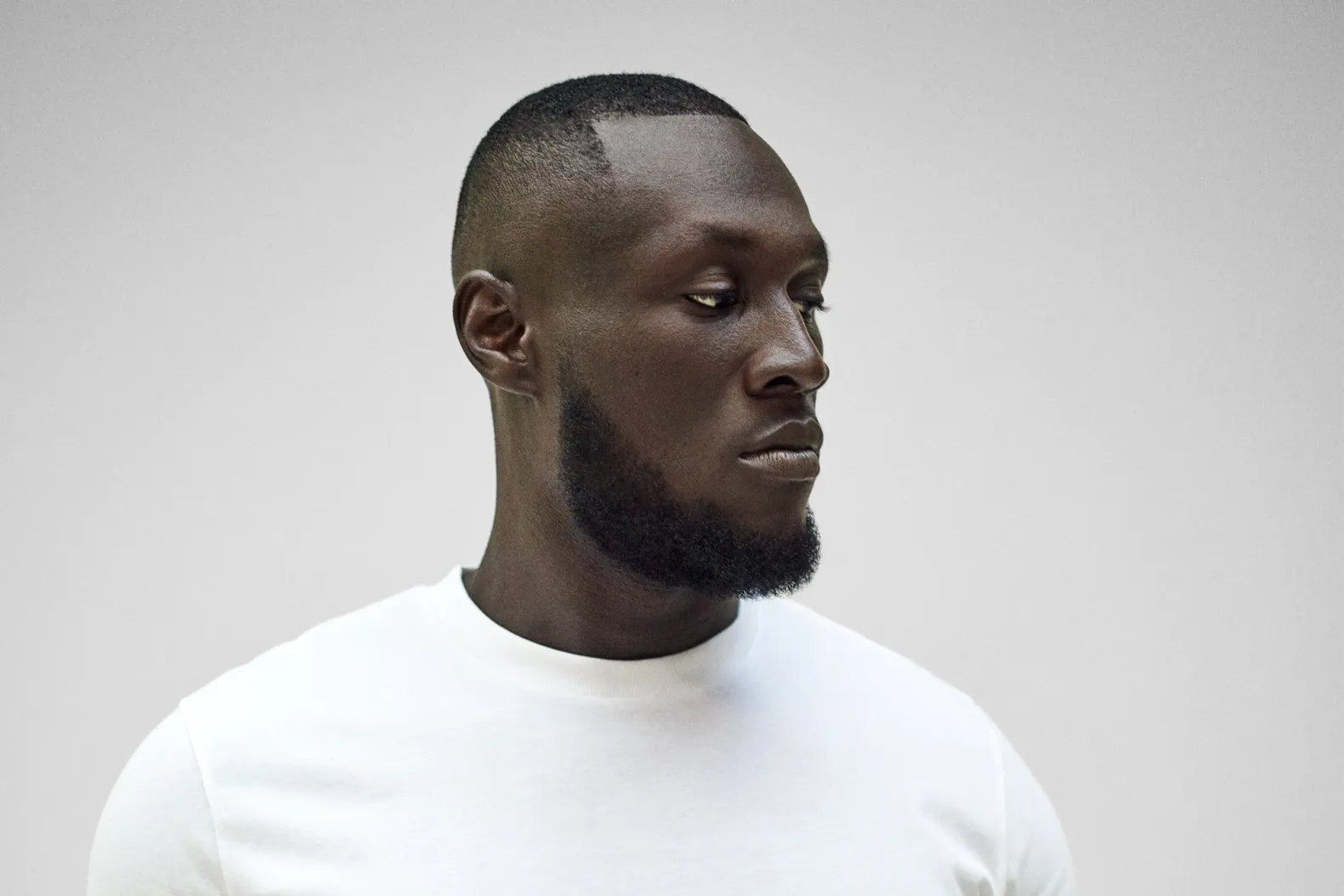
While fans often focus on drops, beefs, and viral moments, the real power moves in London hip-hop are happening behind the scenes. As April rolled into May, the business side of the culture became impossible to ignore. Artists aren’t just making music anymore—they’re building brands, negotiating deals, and in many cases, choosing independence over traditional industry paths.
This shift is redefining what success looks like in UK rap.
Independence Over Labels
One of the clearest trends in London right now is the move toward independence.
Artists are no longer rushing to sign record deals as soon as they gain traction. Instead, they’re building their own platforms first—growing fanbases, generating revenue, and proving their value before entering negotiations.
Even major names like Dave have shown that maintaining creative control can be just as powerful as signing to a big label. His approach has inspired a wave of younger artists to think long-term rather than chasing quick advances.
Why independence is winning:
- Artists keep a larger share of revenue
- Full control over music and image
- Flexibility in collaborations and releases
For many, labels are no longer the destination—they’re optional partners.
The Rise of Artist-Owned Brands
Rappers in London are expanding beyond music into full-scale businesses.
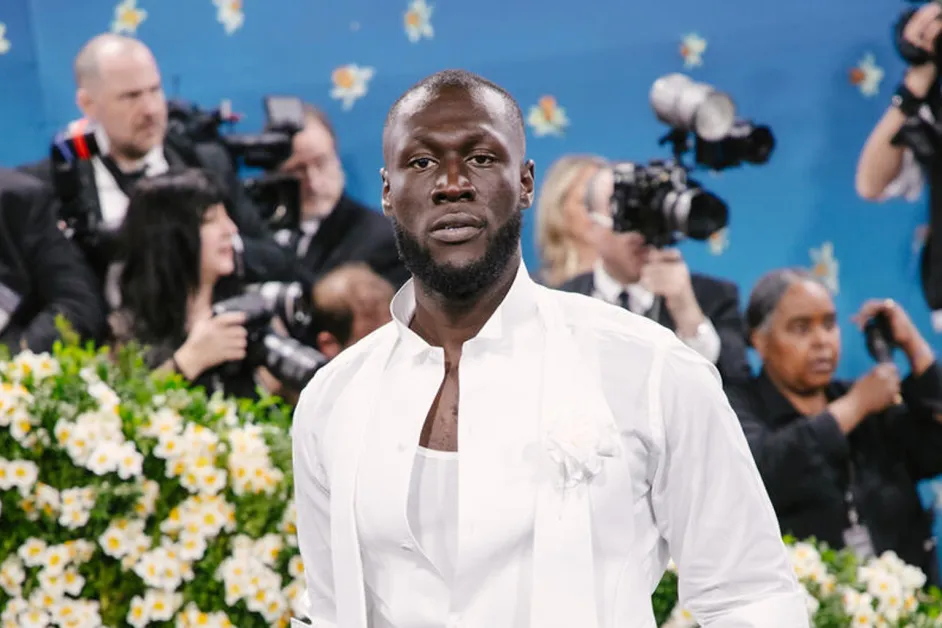
Take Stormzy for example. His ventures go beyond rap, including publishing, philanthropy, and media. He represents a model where the artist becomes a brand, not just a performer.
This mindset is spreading across the scene:
- Clothing lines tied to artist identity
- Independent record labels
- Content platforms and media ventures
The goal is clear—multiple income streams, not just streaming revenue.
Streaming Still Dominates—but It’s Changing
Streaming platforms remain the main source of income and exposure, but artists are becoming more strategic about how they use them.
Instead of dropping full albums, many are focusing on:
- Frequent singles
- EPs with strong replay value
- Viral-ready snippets before official releases
Spotify and TikTok are now deeply connected. A song blowing up on TikTok can translate directly into streaming numbers, making social media strategy just as important as the music itself.
This has created a new kind of pressure—artists must constantly stay visible.
The Role of Management and Strategy
Behind every successful artist is a strong team.
Managers, A&Rs, and marketing strategists are playing a bigger role than ever in shaping careers. In many cases, independent artists are building their own teams rather than relying on label infrastructure.
Key focus areas include:
- Branding and image consistency
- Release timing and rollout strategy
- Partnerships and collaborations
The difference between an artist who goes viral once and one who builds a lasting career often comes down to strategy.
International Deals and Expansion
London artists are no longer thinking locally—they’re thinking globally from day one.
We’re seeing more partnerships between UK rappers and international labels, especially in the United States and Africa. These deals aren’t always traditional record contracts—they’re often distribution or collaboration agreements that allow artists to maintain independence while expanding their reach.
Central Cee is a prime example of this global mindset. His music consistently charts outside the UK, showing that London artists can compete on an international level without losing their identity.
This global expansion is also increasing the value of UK rap as a whole.
Live Shows as a Major Revenue Stream
While streaming is important, live performances remain one of the biggest sources of income.
Festivals, tours, and club appearances are bringing in serious money, especially as demand for live experiences continues to grow.
Events like Wireless Festival are crucial not just culturally, but financially. A strong performance at a major festival can boost an artist’s profile overnight.
Smaller venues also play a role, allowing artists to build dedicated fanbases and test new material.
The Influence of Social Media Branding
In today’s London hip-hop scene, perception is everything.
Artists are curating their online presence carefully:
- Instagram aesthetics
- Behind-the-scenes content
- Direct fan engagement
Social media is no longer optional—it’s a core part of the business.
An artist’s ability to connect with fans online can directly impact ticket sales, streaming numbers, and brand partnerships.
Challenges in the Business Side
Despite the opportunities, there are still challenges.
Independent artists face:
- Financial risk without label backing
- Pressure to constantly produce content
- Difficulty scaling without major resources
At the same time, those who sign deals must navigate complex contracts that can limit their control.
The balance between independence and support remains one of the biggest decisions artists have to make.
The Future of Money in London Hip-Hop
Looking ahead, a few trends are becoming clear:
- More artists will stay independent longer
- Brand partnerships will increase
- Global collaborations will become standard
- Fans will play a bigger role in artist success
The business side of hip-hop is becoming just as creative as the music itself.
Final Thoughts
London hip-hop is no longer just about talent—it’s about strategy, ownership, and vision.
- Artists are building businesses, not just careers
- Independence is becoming the new norm
- Streaming and social media are reshaping success
- Global expansion is opening new doors
The money behind the music is changing fast, and the artists who understand that are the ones leading the next era.
London isn’t just producing stars—it’s producing entrepreneurs.