London Hip-Hop Culture Shift: Fashion, Identity, and the New Street Code
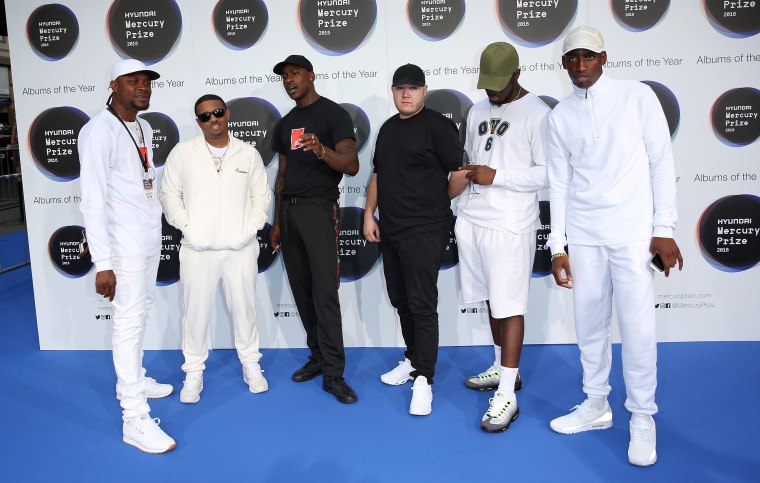
London hip-hop has never been just about music. It’s a full cultural ecosystem—style, language, attitude, and identity all moving together. As the last week of April transitioned into early May, one thing became clear: the culture around the music is evolving just as fast as the sound itself.
From fashion statements to shifting street codes, London’s hip-hop scene is redefining what it means to be an artist—and what it means to belong.
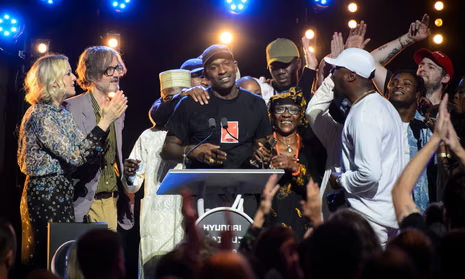
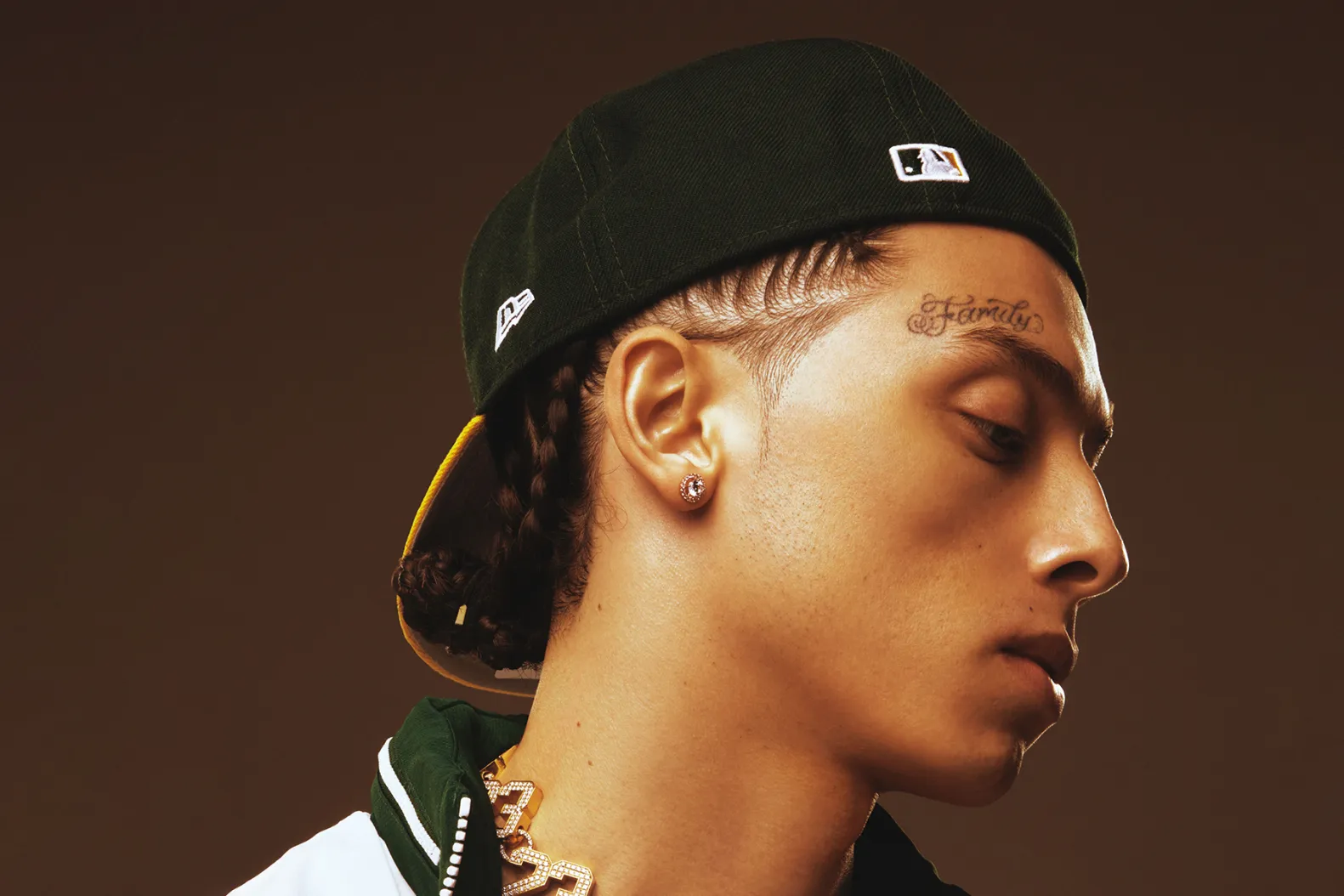
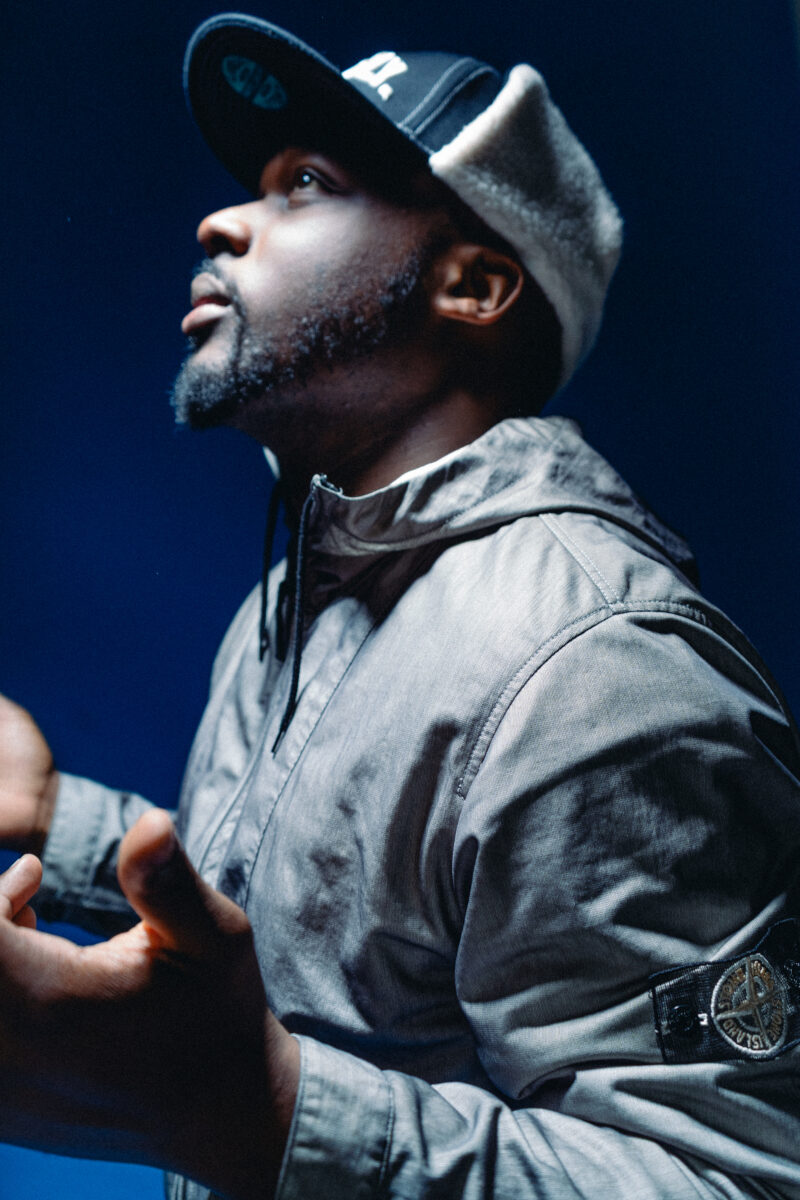
Fashion as Identity, Not Just Style
In London, what you wear has always been tied to who you are. But now, fashion in hip-hop is becoming more intentional, more global, and more strategic.
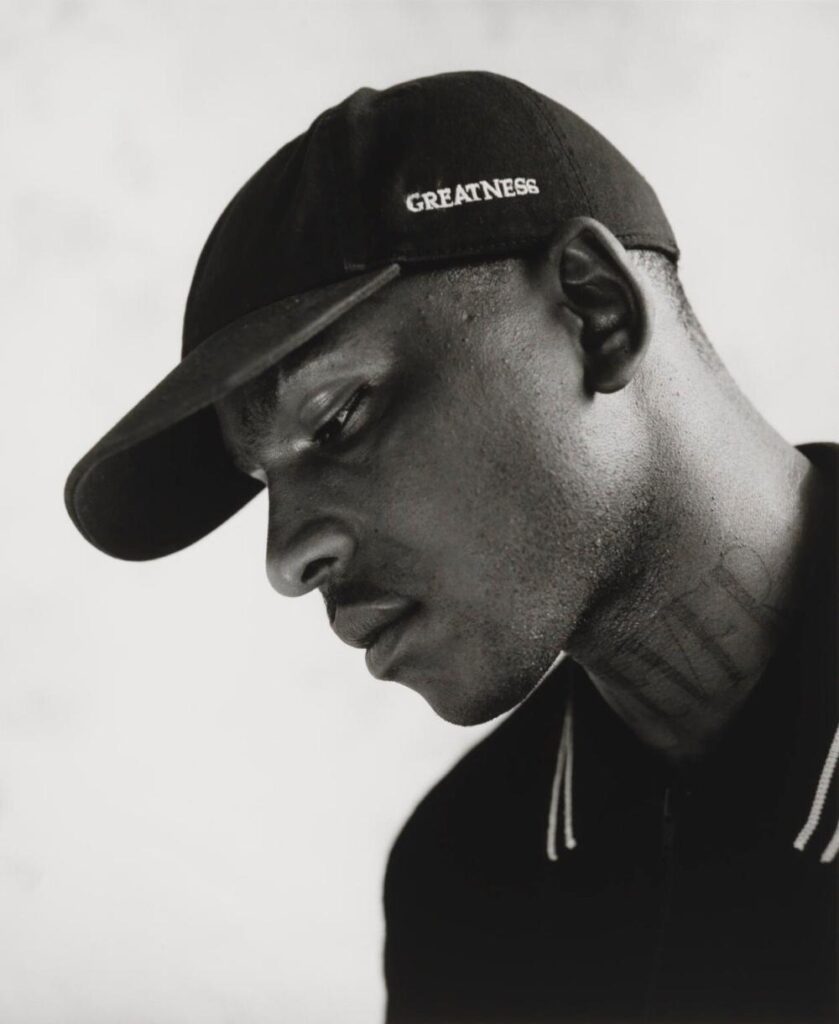
Artists like Skepta have long blurred the line between music and fashion, stepping into designer spaces while still staying rooted in street culture. His influence can still be seen in how younger artists present themselves today.
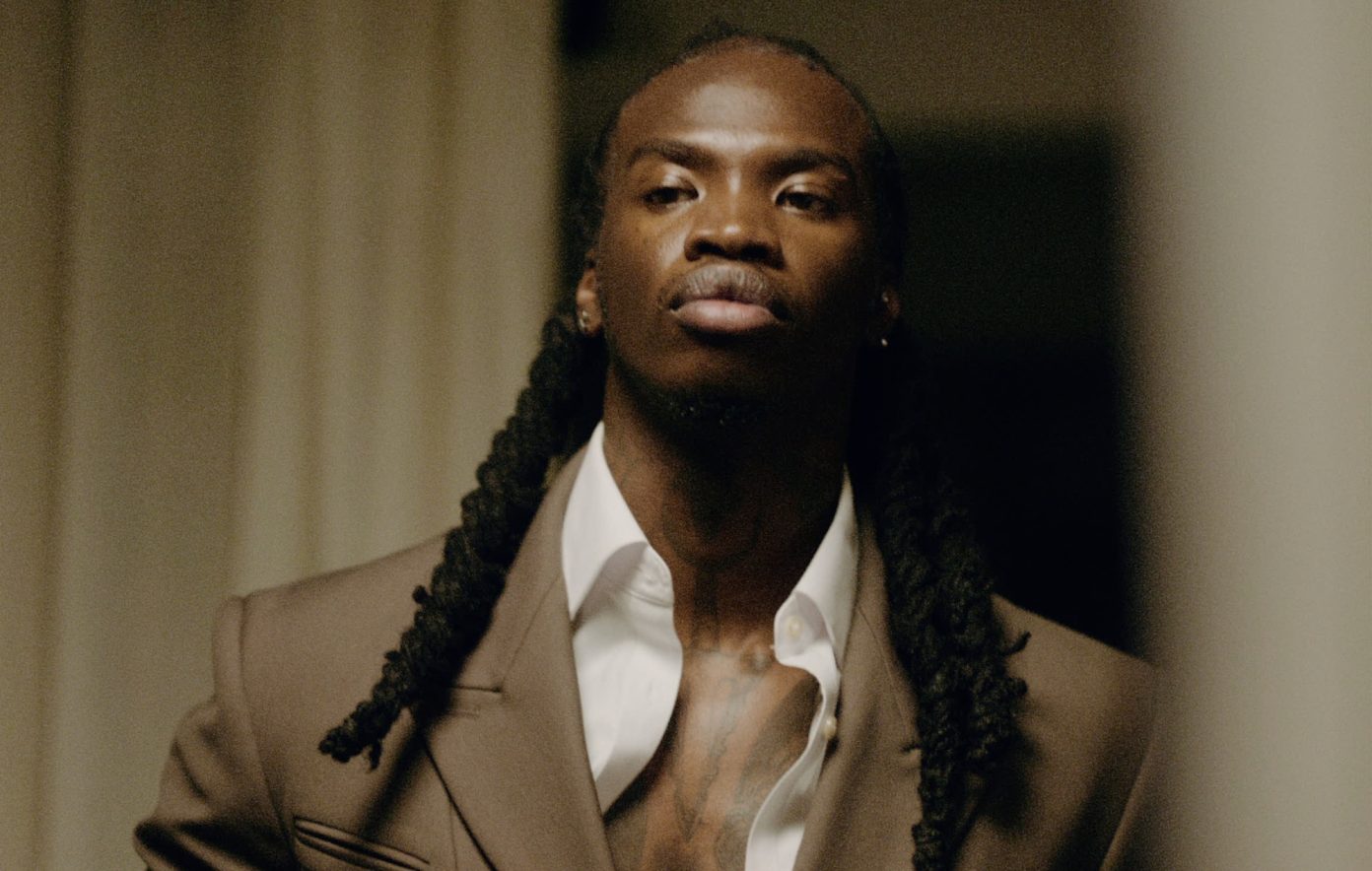
Meanwhile, Unknown T continues to push a distinct aesthetic—clean, tailored, and instantly recognizable. This shift toward sharper visuals shows that drill artists are no longer boxed into one look.
Key trends right now:
- Minimalist designer fits mixed with streetwear
- Custom pieces tied to artist branding
- A balance between luxury and authenticity
Fashion is no longer just expression—it’s part of the business model.
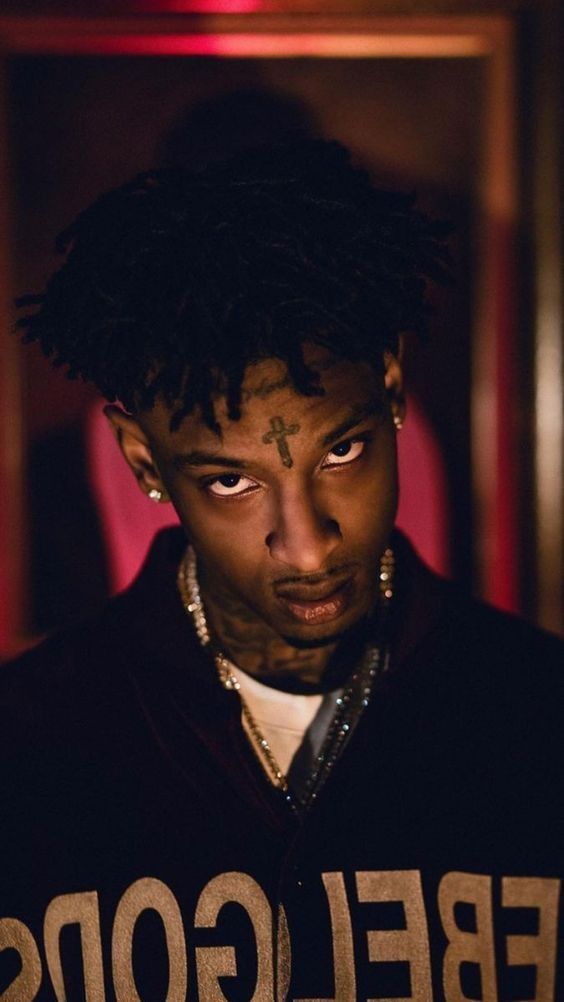
The Rise of “Clean Drill” Image
One of the most noticeable changes in London hip-hop is the move toward a more polished image.
Earlier drill eras were defined by anonymity—masks, dark visuals, and raw street energy. While that still exists, a new wave of artists is stepping into the spotlight more openly.
Artists are showing their faces more, investing in high-quality visuals, and building personal brands that extend beyond music.
Even artists influenced by the drill sound, like Central Cee, have adopted a cleaner, more accessible image. This approach makes their music easier to market globally while still maintaining credibility at home.
It’s not about losing authenticity—it’s about expanding reach.
Language and Slang Going Global
London slang has always been unique, shaped by the city’s diversity. Now, it’s spreading faster than ever.
Words and phrases from UK rap are showing up in international conversations, especially through platforms like TikTok.
Terms once limited to London streets are now being used by fans across Europe, Africa, and even the US. This cultural export is one of the clearest signs of UK hip-hop’s global influence.
At the same time, artists are becoming more aware of their audience. Some are balancing local slang with more universal language to connect with wider listeners.
The Influence of African and Caribbean Roots
London’s identity has always been multicultural, and that influence is becoming more visible in hip-hop culture.
Artists are embracing their heritage more openly:
- Afrobeats rhythms in drill tracks
- Caribbean flows and patois in lyrics
- Visuals inspired by cultural backgrounds
This fusion is not forced—it’s natural. It reflects the reality of London itself.
Collaborations between UK artists and African acts are becoming more common, strengthening the connection between scenes. The result is a sound and culture that feels both local and global at the same time.
Social Media Is Shaping Personality
In today’s scene, fans don’t just follow music—they follow personalities.
Platforms like Instagram and TikTok allow artists to show more of their lives, opinions, and humor. This transparency is changing how fans connect with artists.
Instead of being distant figures, rappers are now:
- Sharing behind-the-scenes moments
- Engaging directly with fans
- Building communities around their brand
This shift has made authenticity more important than ever. Audiences can quickly tell when something feels forced.
Street Code vs Industry Growth
One of the biggest tensions in London hip-hop right now is the balance between street credibility and mainstream success.
For years, authenticity was tied closely to street ties and real-life experiences. But as the industry grows, that definition is being challenged.
Some artists are moving away from strictly street-focused narratives, choosing to focus on:
- Personal growth
- Success stories
- Broader life experiences
Others remain rooted in traditional drill themes.
This divide isn’t necessarily negative—it shows that the culture is expanding. There’s now space for multiple perspectives within London hip-hop.
Visual Culture Is Becoming Cinematic
Music videos in London are reaching new levels of creativity.
Artists are investing in:
- High-production storytelling
- Cinematic visuals
- Unique concepts that stand out globally
Directors are becoming just as important as the artists themselves, helping shape the visual identity of the scene.
This evolution is making UK hip-hop more competitive on an international scale, where visuals often play a major role in an artist’s success.
The Fans Are More Influential Than Ever
Fans in London aren’t just consumers—they’re participants in the culture.
Through social media, they influence:
- Which songs go viral
- Which artists gain attention
- What trends take off
This direct connection between artists and fans is changing the power dynamic. Success is no longer controlled solely by labels or radio—it’s driven by the audience.
What This Means for the Future
The cultural shifts happening in London point to a few clear directions:
- Artists will continue blending fashion, music, and branding
- Global influence will keep growing
- The definition of authenticity will expand
- Fans will play an even bigger role in shaping the scene
London hip-hop isn’t losing its identity—it’s redefining it.
Final Thoughts
The last week of April showed that London hip-hop culture is evolving far beyond music.
- Fashion is becoming part of the business
- Artists are refining their public image
- Slang and identity are going global
- Cultural influences are shaping new sounds
- Fans are driving the movement
London remains one of the most dynamic hip-hop cities in the world—not because it stays the same, but because it constantly changes.