UK Drill’s New Wave: The Artists Reshaping London’s Sound
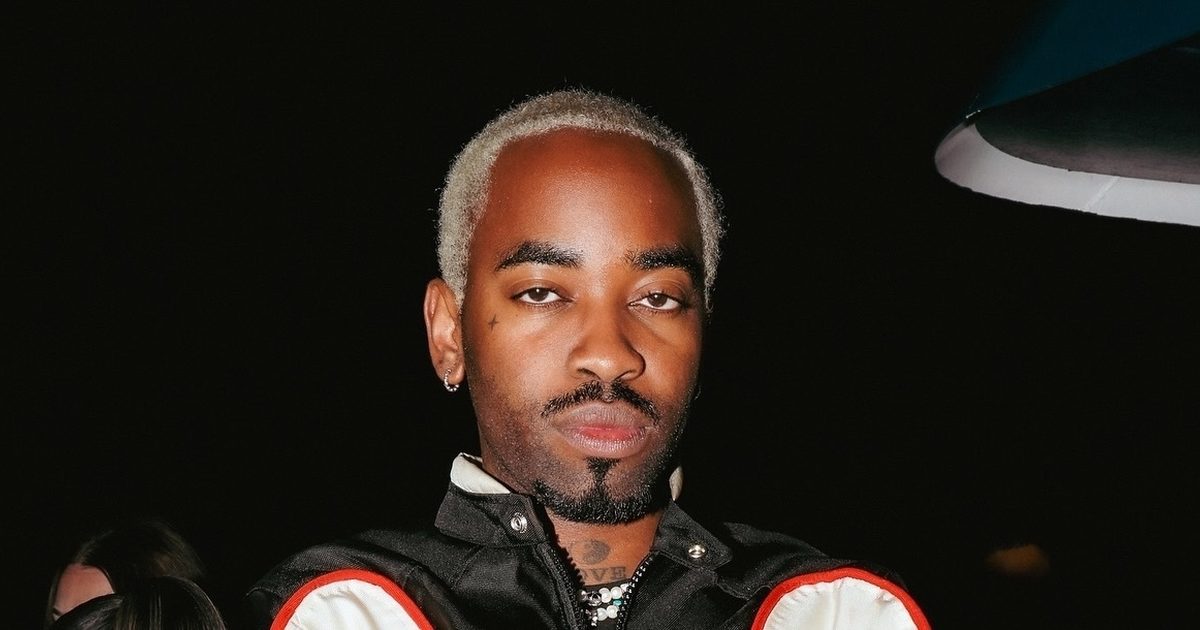
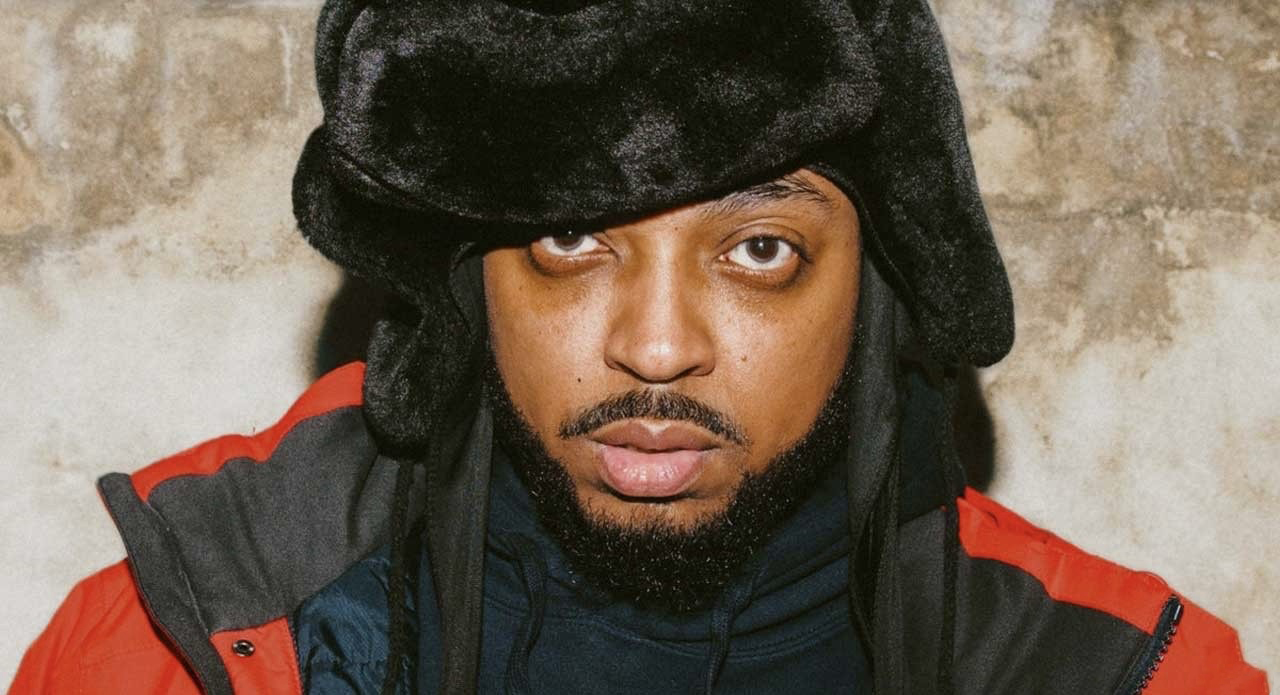
London’s hip-hop scene isn’t just being defined by big names and festival headlines—it’s being rebuilt from the ground up. As April closed out, a new generation of UK drill artists began making serious noise, pushing the genre into unfamiliar territory while still holding onto its raw identity.
This isn’t the drill that first exploded in the mid-2010s. The sound is evolving, the narratives are shifting, and the artists coming up right now are more experimental, more strategic, and more globally aware than ever before.
The Evolution of UK Drill
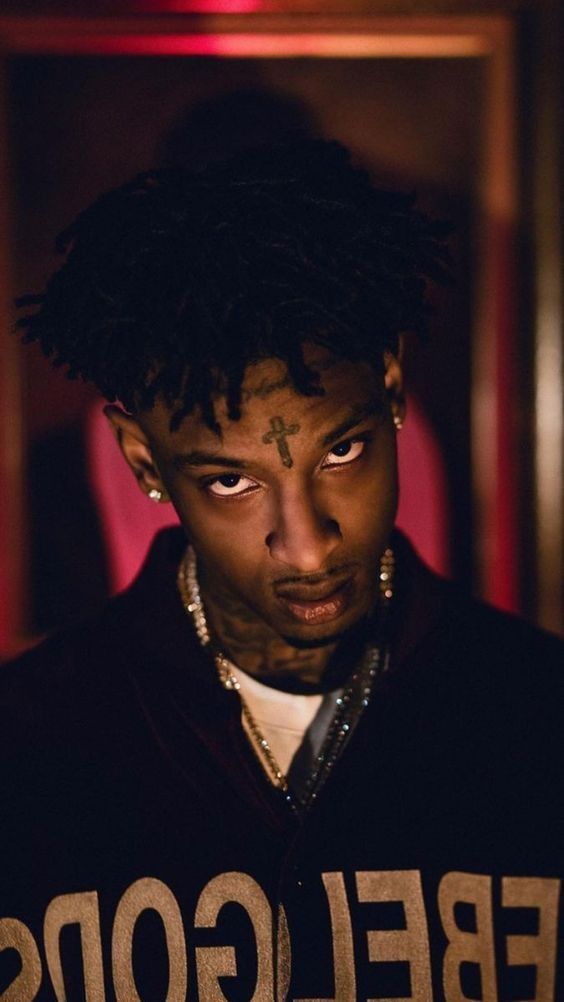
UK drill started as a direct, gritty reflection of street life, heavily influenced by Chicago’s drill scene. Early pioneers like Headie One and 67 helped define the sound—dark beats, sliding 808s, and unfiltered storytelling.
But in 2026, the formula is changing.
Producers are introducing:
- Jersey club rhythms
- House and electronic influences
- Afro-swing elements
Artists are experimenting with flows, delivery, and even subject matter. The result is a version of drill that feels less boxed in and more adaptable to different audiences.
This shift is opening doors for a wider range of listeners, both in the UK and internationally.
The Rise of the New Generation
While mainstream names still dominate charts, the underground is where the real innovation is happening.
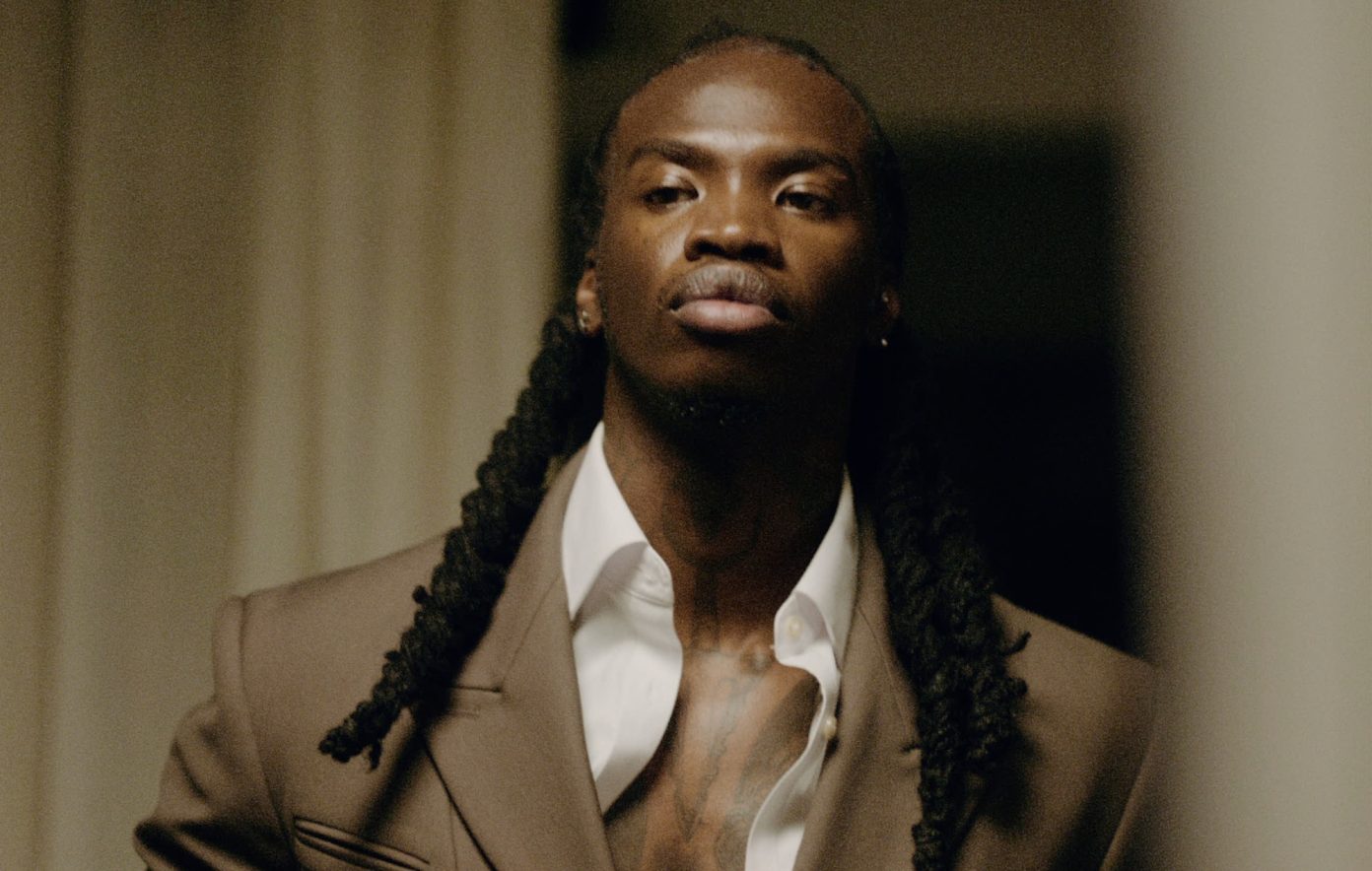
Artists like Len are gaining traction by blending melodic elements with traditional drill beats. His approach feels more introspective, showing that drill doesn’t always have to be aggressive to be impactful.
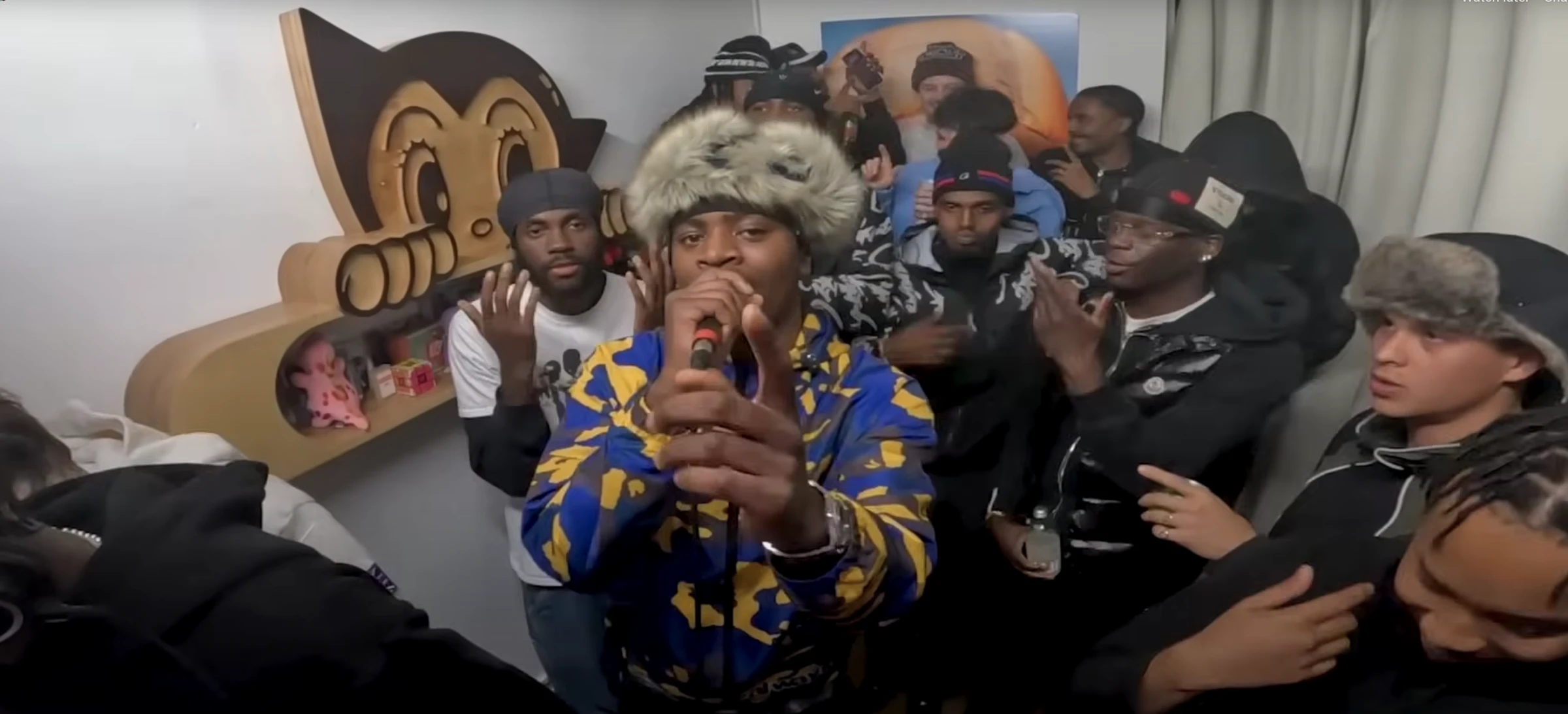
At the same time, collectives and independent rappers are building loyal fanbases without major label backing. They’re dropping consistently, engaging directly with fans, and using platforms like TikTok to amplify their reach.
What stands out about this generation is their awareness. They understand branding, visuals, and audience engagement just as much as they understand music.
Central Cee’s Indirect Influence
Even though Central Cee isn’t strictly a drill artist anymore, his influence on the new wave is undeniable.
By blending melodic rap with drill foundations, he created a blueprint for crossover success. Younger artists are now following that model:
- Softer hooks
- Cleaner production
- Broader themes
This doesn’t mean drill is losing its edge—it means it’s expanding.
Central Cee showed that you can stay connected to your roots while still reaching a global audience, and the new generation is taking notes.
TikTok, YouTube, and the New Industry Model
One of the biggest differences between this wave and previous ones is how artists break through.
In the past, radio play and label backing were essential. Now, platforms like TikTok and YouTube are just as powerful—if not more.
Artists are going viral through:
- Short freestyles
- Snippet previews
- Dance challenges tied to drill beats
This digital-first approach is changing the entire industry structure. Labels are no longer gatekeepers—they’re observers waiting to see what works before stepping in.
For many artists, independence is no longer a stepping stone—it’s the goal.
The Blending of Cultures
London’s diversity has always been one of its biggest strengths, and it’s now playing a major role in shaping drill’s future.
Afrobeats, Caribbean sounds, and even European club music are influencing the genre. This fusion is creating tracks that feel both local and global at the same time.
We’re seeing more collaborations between UK artists and international acts, especially from Africa and Europe. These connections are expanding the reach of UK drill and introducing new audiences to the sound.
It’s no longer just “UK music”—it’s global music with a London foundation.
The Ongoing Debate Around Drill
Despite its growth, drill continues to face criticism.
Concerns around violence and its influence on young listeners remain part of the conversation. Incidents tied to the culture often reignite debates about whether the music reflects reality or contributes to it.
Artists and fans have different perspectives:
- Some argue drill is simply storytelling
- Others believe it can reinforce negative cycles
The truth likely sits somewhere in between.
What’s clear is that the new generation is becoming more aware of these conversations. Some artists are shifting their content, focusing more on personal growth, success, and ambition rather than strictly street narratives.
Visuals and Aesthetic Matter More Than Ever
In 2026, music alone isn’t enough. Visual identity plays a huge role in an artist’s success.
From cinematic music videos to carefully curated Instagram feeds, presentation is key. Drill artists are investing more in visuals, understanding that first impressions often come through screens before speakers.
Dark, moody aesthetics are still dominant, but there’s also a rise in more polished, high-production visuals that align with global standards.
This shift is helping UK drill compete on an international level, not just sonically but visually as well.
What’s Next for London Drill?
The direction drill is heading suggests a few key trends:
- More genre fusion and experimentation
- Increased global collaborations
- Greater independence among artists
- Continued debates around culture and responsibility
The genre isn’t fading—it’s transforming.
And as it evolves, London remains at the center of it all.
Final Thoughts
The new wave of UK drill isn’t trying to replicate the past—it’s building something new.
- Artists are more versatile
- Sounds are more diverse
- Platforms are more accessible
- Audiences are more global
London’s underground is once again proving that the future of hip-hop doesn’t come from playing it safe—it comes from taking risks.
Right now, UK drill is doing exactly that.