London Hip-Hop in Motion: Power, Pressure, and Evolution
London’s hip-hop scene closed out April with a mix of energy, controversy, and undeniable influence. From festival drama shaking the industry to underground artists reshaping the sound, the city once again proved why it remains one of the most important global hubs for rap culture. This wasn’t just a week of music—it was a snapshot of where UK hip-hop is heading next.
Wireless Festival Controversy Sparks Industry Debate
The biggest talking point across London wasn’t a new drop or viral freestyle—it was the backlash surrounding Wireless Festival and its headline booking of Kanye West.
The announcement triggered immediate criticism from political figures, advocacy groups, and sections of the public. Concerns stem from Ye’s past controversial statements, leading to calls for the festival to reconsider its lineup. Some sponsors reportedly began distancing themselves, raising questions about how brands interact with hip-hop culture when controversy enters the picture.
This situation highlights a bigger shift in the industry. Hip-hop events are no longer judged solely on music—they are now deeply tied to social accountability, public image, and corporate partnerships. For London, a city that prides itself on diversity and cultural leadership, the situation puts pressure on organizers to balance global star power with public sentiment.
Still, Wireless remains a cornerstone of UK rap culture. Every year, it brings together massive crowds and defines summer for hip-hop fans across the country. Whether the controversy impacts attendance or future bookings remains to be seen, but one thing is clear—the conversation around hip-hop in London is evolving beyond music.
Central Cee Holds the Crown
While controversy dominated headlines, Central Cee continues to dominate the streets and streaming platforms.
His recent project All Roads Lead Home is still in heavy rotation, proving his ability to stay relevant even weeks after release. The project blends melodic rap with drill influences, creating a sound that resonates both locally and internationally. Collaborations with artists like J Hus add depth, while his signature flow keeps listeners locked in.
Beyond music, Central Cee’s presence online continues to fuel conversations. Whether it’s his lifestyle, interviews, or viral moments, he remains one of the most talked-about figures in UK rap.
What makes his position unique is his crossover appeal. He’s not just a drill artist or a mainstream rapper—he sits comfortably in both spaces. This ability to bridge audiences has made him a key figure in pushing London hip-hop onto the global stage.
Live Shows Bring the Energy Back
Late April also saw a noticeable rise in live performances across London. After a quieter period, venues are once again buzzing with energy, bringing fans closer to the culture.
Artists from outside the UK are increasingly choosing London as a tour stop, reinforcing its status as a global hip-hop hub. One standout moment came from Blaqbonez, who delivered a high-energy performance that blended Afrobeats and rap influences. The crowd response showed just how much London embraces international sounds.
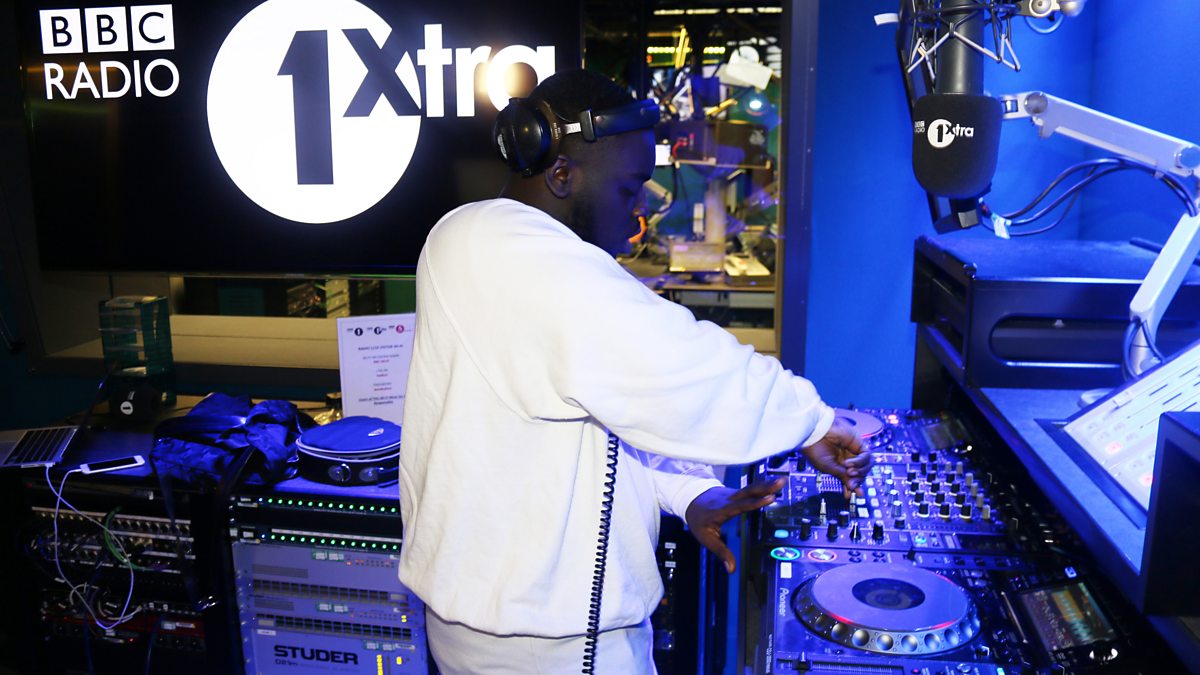
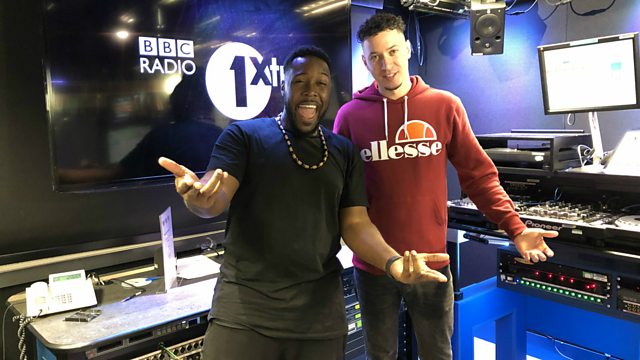
At the same time, platforms like BBC Radio 1Xtra continue to support the scene by hosting events and showcasing emerging talent. Their club takeovers and live sessions are helping bridge the gap between underground artists and mainstream exposure.
This resurgence in live music is important. It’s where artists test new material, build real fan connections, and create moments that can’t be replicated online. In a digital era, these physical experiences still hold major value.
The Underground Scene Keeps Innovating
While mainstream artists grab headlines, London’s underground scene is quietly pushing boundaries.
A new wave of artists is experimenting with sound, blending drill with genres like Jersey club, house, and even electronic music. This fusion is creating something fresh—music that still carries the raw energy of drill but feels more versatile and globally accessible.
Independent artists are also finding new ways to break through. Platforms like TikTok and YouTube have become essential tools, allowing artists to build audiences without traditional label backing. Short-form content, viral challenges, and consistent releases are helping underground names gain traction faster than ever.
This shift is changing the industry structure. Labels are no longer the only path to success. Artists can now build their own momentum, forcing the industry to pay attention rather than the other way around.
A Tragic Reminder of Reality
Amid the music and momentum, a tragic incident in South London brought attention back to the realities surrounding parts of the scene.
A young aspiring rapper lost his life while reportedly working on a music video. The news sent shockwaves through the community, highlighting ongoing concerns about youth safety, street influence, and the darker side of drill culture.
This isn’t a new conversation, but it remains an important one. Drill music often reflects real-life experiences, and for some artists, those experiences come with serious risks. The challenge for the scene is finding ways to preserve authenticity while reducing the real-world consequences tied to it.
Community leaders, artists, and fans continue to debate how to move forward. There’s no easy answer, but the conversation itself shows a growing awareness within the culture.
London’s Global Influence Expands
Despite the challenges, London’s influence on global hip-hop continues to grow.
The city’s sound has traveled far beyond the UK, influencing artists in Europe, Africa, and even the United States. The rise of UK drill, in particular, has reshaped how rap is produced and performed worldwide.
Collaborations between UK artists and international acts are becoming more common, creating a cross-cultural exchange that benefits everyone involved. London is no longer just part of the global hip-hop conversation—it’s helping lead it.
This global reach is also opening doors for new talent. Artists who might have once struggled to gain recognition are now finding audiences across continents, thanks to streaming platforms and social media.
The Balance Between Culture and Commerce
One of the biggest themes from late April is the balance between culture and commerce.
On one hand, hip-hop in London is thriving. Artists are gaining global recognition, shows are selling out, and the music continues to evolve. On the other hand, controversies like the Wireless situation show how external pressures—from brands, politics, and public opinion—can shape the direction of the culture.
This tension isn’t unique to London, but it feels particularly strong here because of the city’s position on the global stage. Every move is watched, analyzed, and often debated.
For artists, this means navigating more than just music. It’s about image, influence, and responsibility. For fans, it means engaging with a culture that is constantly changing.
Final Thoughts
The last week of April showed that London hip-hop is in a complex but powerful place.
- Major events are sparking global conversations
- Artists like Central Cee continue to dominate
- Live performances are bringing back real energy
- The underground is driving innovation
- Real-life issues still impact the culture
London remains one of the most important cities in hip-hop—not because everything is perfect, but because everything is evolving.