
UK Underground Hip-Hop 2026: New Gen Artists Driving a Raw, Unfiltered Wave

While mainstream headlines focus on major festivals and global headliners, the real momentum in London right now is coming from the underground. Beneath the surface of commercial success, a new generation of artists is reshaping the sound and direction of UK hip-hop with a level of creativity and authenticity that feels unmatched in recent years.

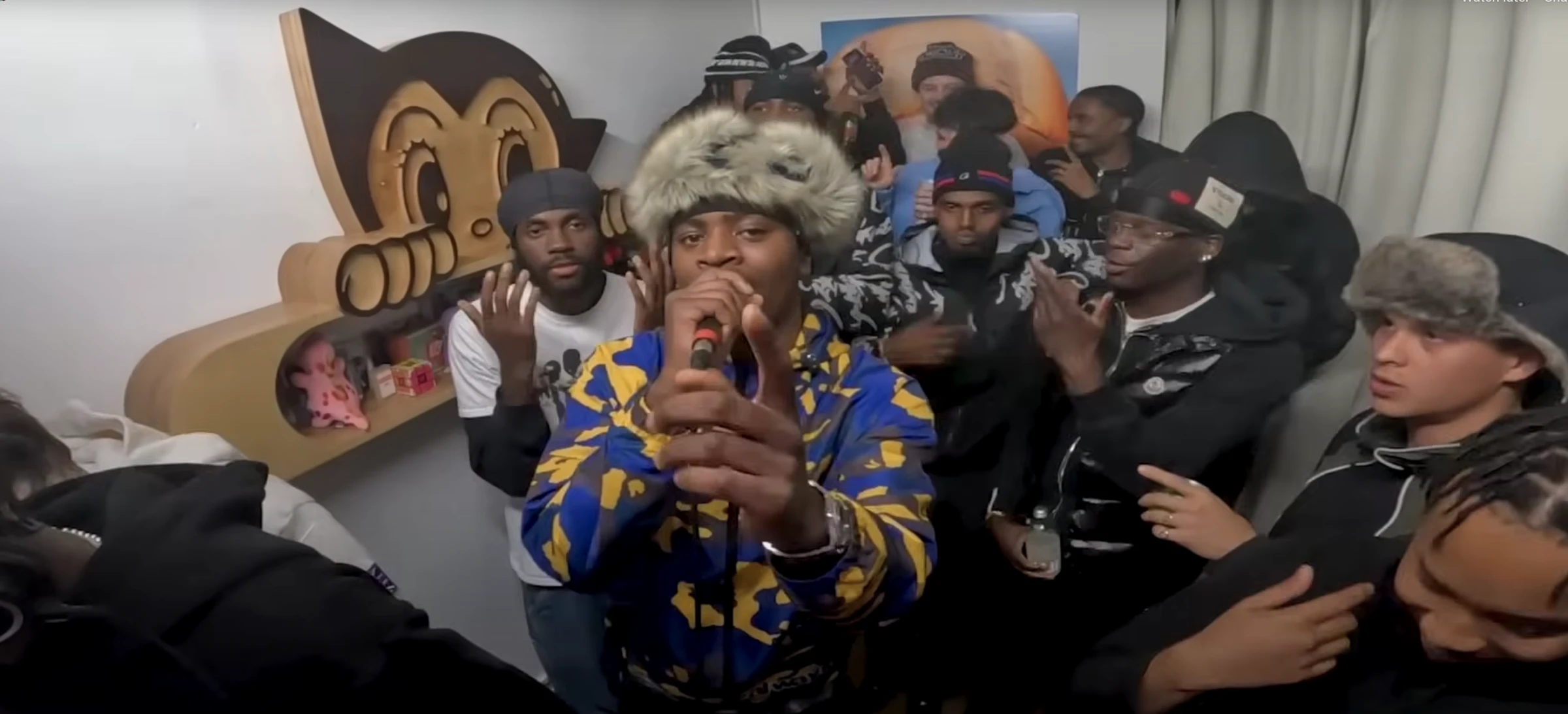
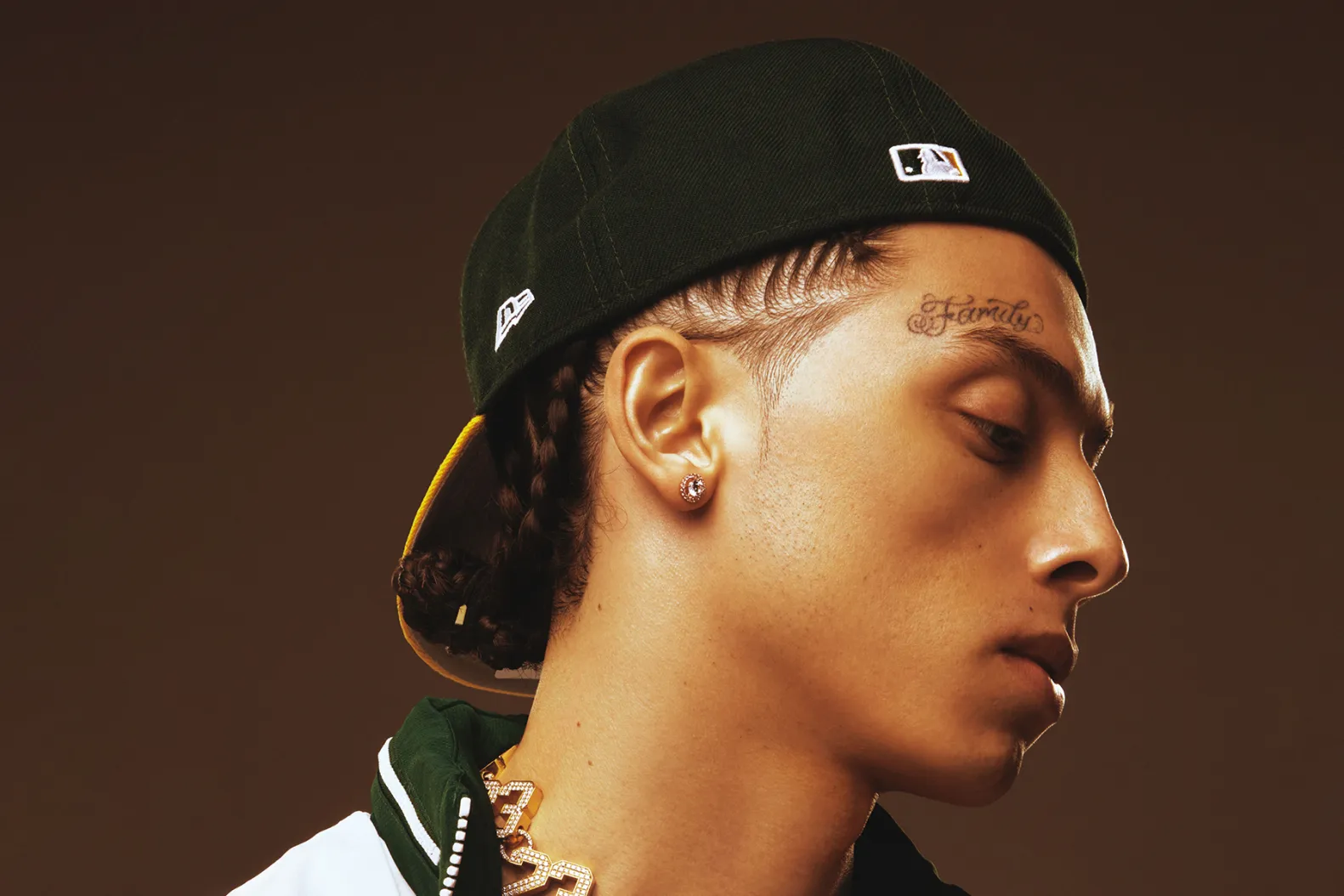
Names like Ceebo, BXKS, Slew, Tay Jordan, Kirbs, and DC3 are steadily building buzz across platforms, gaining loyal followings without relying on heavy industry backing. Their rise reflects a shift in how music spreads today—through social media, independent releases, and word-of-mouth rather than traditional label pipelines.
What makes this current wave stand out is its refusal to stay within one lane. The boundaries between drill, grime, and alternative rap are becoming increasingly blurred. Artists are experimenting more freely, blending aggressive drill production with introspective lyricism, or mixing grime’s fast-paced delivery with softer, melodic elements. The result is a sound that feels raw, unpredictable, and deeply personal.
Unlike earlier eras where genres were more clearly defined, this new movement thrives on hybridity. A single track might carry the energy of drill, the cadence of grime, and the emotional depth of alternative rap. This fusion is helping the underground scene evolve into something that is harder to categorize but more reflective of modern youth culture.
Another defining feature of this era is its independence. Many of these artists are not waiting for co-signs from major labels or mainstream media. Instead, they are building their own ecosystems—dropping music consistently, engaging directly with fans, and creating visuals that match their identity. This DIY approach keeps the sound grounded and less polished, which in turn preserves the authenticity that listeners are drawn to.
There is also a stronger emphasis on storytelling and individuality. While drill has often been associated with a specific sound and subject matter, the new wave is expanding those boundaries. Artists are opening up about personal struggles, ambitions, and everyday realities, giving the music more emotional range.
This underground momentum has led many observers to describe the current moment as one of the strongest eras in UK hip-hop. Not necessarily because of commercial numbers, but because of the diversity, innovation, and cultural energy coming from the ground level.
London remains the core of this movement, but its influence is spreading beyond the city, reaching global audiences who are increasingly tuned into UK sounds. As streaming platforms and social media continue to break down geographical barriers, the underground is no longer confined to local scenes—it is becoming part of a worldwide conversation.
In many ways, this is where the future of UK hip-hop is being shaped. While festivals and mainstream success bring visibility, the underground continues to define the sound, the message, and the direction of the culture.