
Kanye West To Headline All Three Nights Of London’s Wireless Festival 2026
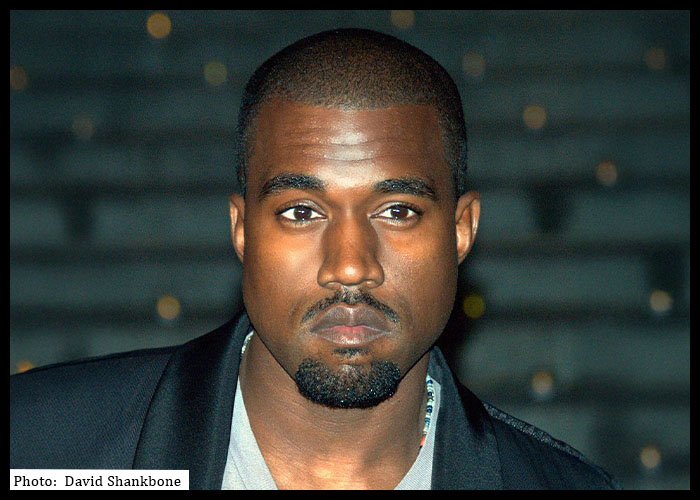
The announcement that Kanye West would headline all three nights of Wireless Festival 2026 instantly became one of the biggest—and most controversial—moments in global hip-hop this year. Set to take place from July 10 to July 12 at Finsbury Park, the booking was designed to deliver a historic three-night run, but it quickly spiraled into a cultural and political flashpoint.
A Historic Three-Night Headline Run
Wireless Festival organizers confirmed that Kanye West, also known as Ye, would perform as the headliner across all three nights of the 2026 edition. This marked his first UK performance in over a decade, with his last major appearance dating back to 2015.
The idea of a single artist headlining all nights is rare in festival culture, but Wireless had already tested the format successfully with Drake in 2025. Bringing Kanye in for a similar run was meant to elevate the festival’s global status and create a defining moment in London’s music calendar.
According to festival announcements, each night was expected to feature a different setlist and creative direction, positioning the performances as a three-part experience rather than a repeat show.
Immediate Backlash and Public Debate
Almost immediately after the announcement, the decision sparked widespread backlash across the UK and beyond. Critics pointed to Kanye West’s history of controversial public statements, which had already affected his career and partnerships in recent years.
Political figures, including UK leadership, publicly questioned the booking, calling it “deeply concerning” and urging organizers to reconsider.
At the same time, multiple major sponsors—including Pepsi and other global brands—began withdrawing support from the festival following the announcement.
The situation quickly escalated from a music headline into a broader conversation about accountability, freedom of expression, and the responsibilities of major cultural events.
Industry Shockwaves
Within the music industry, the move created a divide. Some saw it as a bold attempt to separate art from controversy and focus on Kanye’s musical legacy. Others viewed it as a risky decision that could damage the festival’s reputation and partnerships.
Wireless Festival has long been one of Europe’s biggest hip-hop events, drawing tens of thousands of fans annually and hosting global stars. The decision to center the entire 2026 edition around one artist amplified both the potential reward and the risk.
The fallout highlighted how much festivals now rely on brand partnerships and public perception, especially in an era where artist behavior can directly impact corporate backing.
From Headline Moment to Crisis
What began as a historic booking soon turned into a full-blown crisis. Reports confirmed that pressure continued to mount from multiple sides, including government officials and advocacy groups.
Eventually, the situation reached a turning point when Kanye West faced travel restrictions, preventing him from entering the UK. As a result, the entire 2026 Wireless Festival was ultimately canceled.
This outcome marked one of the most dramatic collapses of a major music festival in recent memory. A lineup built around a single headline act left organizers with limited options once that act could no longer perform.
A Defining Moment for Festival Culture
The Kanye West Wireless Festival saga reflects a larger shift in the music industry, where artists are no longer judged solely by their music but also by their public actions and influence.
For London, a city known for its diverse and influential music scene, the situation raised important questions about who gets to headline major cultural events and what standards should be applied.
For festivals, it served as a warning about the risks of building entire events around a single figure, especially one surrounded by controversy.
Final Word
Kanye West headlining all three nights of Wireless Festival 2026 was meant to be a landmark moment in hip-hop history. Instead, it became a case study in how quickly cultural moments can shift in today’s environment.
From a bold announcement to a canceled festival, the story captured the intersection of music, politics, and public opinion in real time. Whether seen as a missed opportunity or an inevitable outcome, it will remain one of the most talked-about moments in modern festival history.