Breakout Live Culture Is Dominating London Right Now
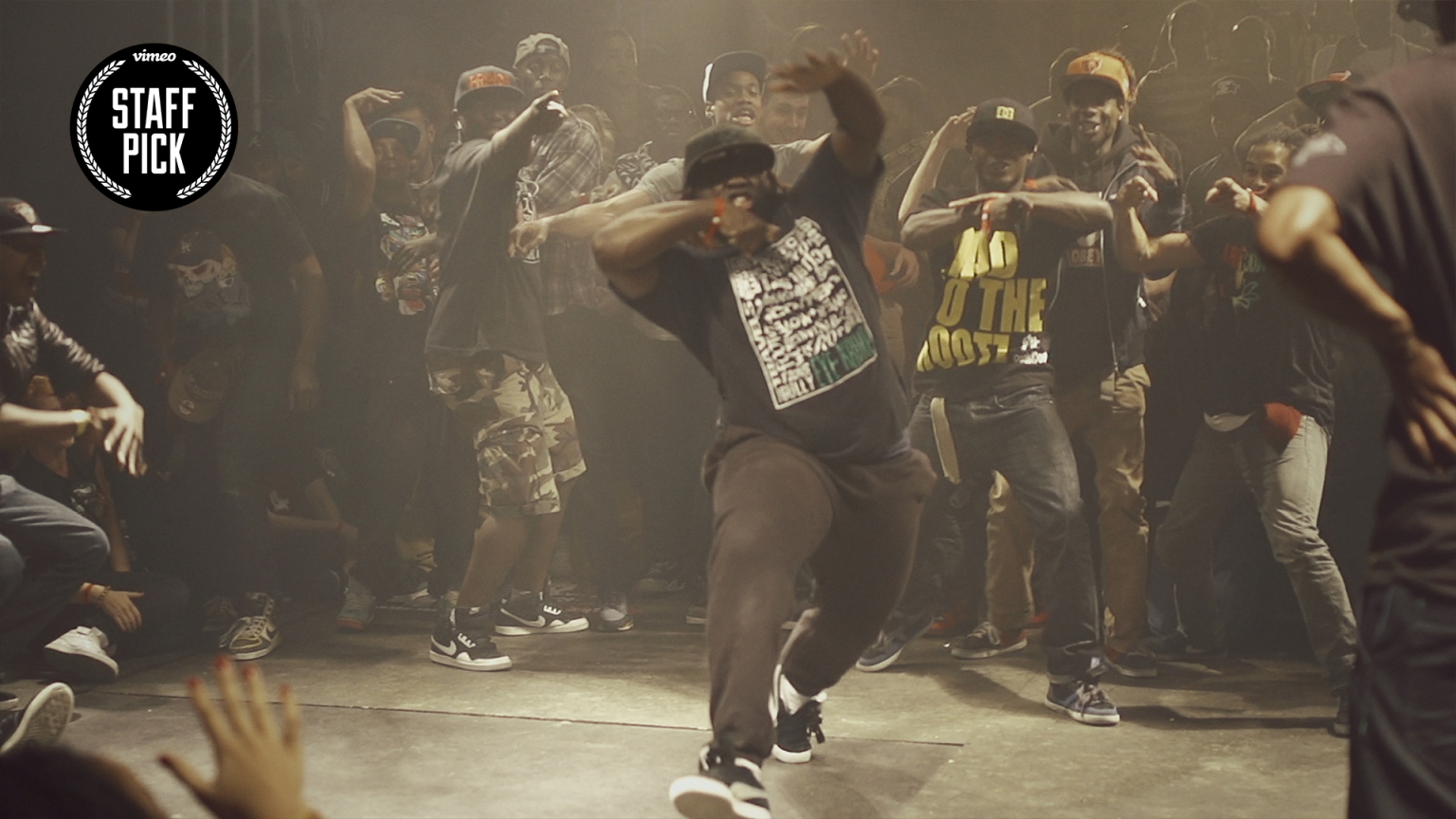
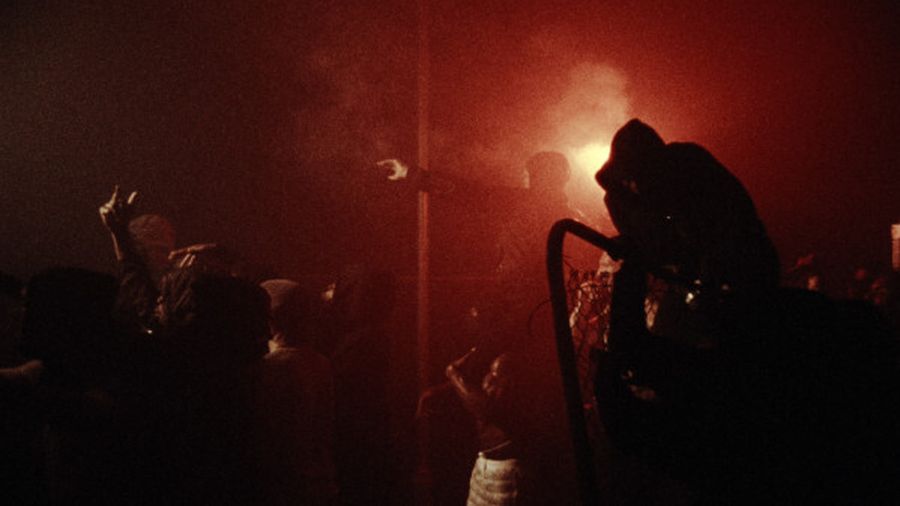
London’s hip-hop scene is undergoing a major transformation. While streaming, social media virality, and club performances still play a role, the real cultural momentum this year is coming from live performance spaces. The city is experiencing a strong shift toward festival environments, theatre-based hip-hop shows, and large-scale experimental performances that place movement, storytelling, and stagecraft at the center of the culture.
One of the clearest signs of this shift is the return and continued influence of Breakin’ Convention at Sadler’s Wells. This platform has become one of the most important global showcases for hip-hop theatre, and its presence in London highlights how deeply performance culture is now embedded in the UK hip-hop identity.
Breakin’ Convention and the Rise of Hip-Hop Theatre
Breakin’ Convention is not a typical music event. It is a curated international festival that focuses on hip-hop dance theatre and performance art. The event brings together crews and performers from different parts of the world to showcase styles rooted in hip-hop culture, including breaking, krump, popping, and experimental movement.
What makes it stand out is its approach to presentation. Instead of separating dance, music, and narrative, Breakin’ Convention merges them into structured stage performances. Dancers are not only performing routines but also telling stories, expressing identity, and exploring social themes through movement. This approach pushes hip-hop into a space that overlaps with theatre, contemporary dance, and visual art.
In London, this format is gaining increasing recognition. Venues like Sadler’s Wells have helped elevate hip-hop dance from street-level expression into a respected performance discipline that can sit alongside traditional theatre productions. This shift has helped reshape how audiences perceive hip-hop culture in the city.
A Shift From Club Culture to Performance Culture
For many years, London’s hip-hop identity was heavily tied to club performances, radio sets, and underground cyphers. Genres like grime and drill defined much of the city’s global reputation, with energy centered around MCing, beat selection, and lyrical battles.
While those elements are still active, there is now a visible expansion into live performance culture that goes beyond music alone. The audience is no longer only interested in hearing tracks; they are increasingly drawn to experiences that combine music with visual storytelling, choreography, and theatrical production.
This shift is especially visible in how events are being structured. Instead of standard concerts, many hip-hop-related shows now include multi-disciplinary elements such as lighting design, narrative staging, cinematic transitions, and choreographed dance segments. The performance becomes a full experience rather than a simple setlist of songs.
Why Live Hip-Hop Culture Is Growing in London
Several factors are driving the growth of live hip-hop culture in London.
First, there is a strong demand for immersive experiences. Modern audiences, especially younger demographics, are looking for events that feel unique and memorable. Live performance spaces provide something that digital platforms cannot replicate: physical presence and shared energy.
Second, hip-hop culture itself has always included dance and performance as foundational elements. Breaking, krumping, and freestyle movement were central to the culture long before recorded music became dominant. The current shift can be seen as a return to those roots, but with more advanced staging and production.
Third, institutional support has increased. Major venues and cultural organizations in London are now actively investing in hip-hop theatre and dance festivals. This support allows artists to experiment with larger productions, higher-quality staging, and international collaboration.
Finally, there is a growing interest in cross-genre creativity. Many hip-hop artists are no longer confined to traditional rap structures. They are collaborating with dancers, visual artists, and theatre directors to build hybrid performances that cannot be categorized in a single genre.
Breaking, Krump, and Street Dance as Main Stage Art
One of the most important developments within this live culture wave is the elevation of street dance styles into main stage performance art. Breaking, krump, and popping are no longer seen only as street expressions or battle formats. Instead, they are being presented as narrative tools capable of communicating emotion, conflict, and identity.
In Breakin’ Convention and similar platforms, dancers are often given full creative freedom to build conceptual performances. These pieces can explore personal stories, social issues, or abstract themes. The result is a form of storytelling that does not rely on lyrics but instead uses physical movement as the primary language.
This has significantly expanded how hip-hop is understood in London. It is no longer only about MCs and producers. Dancers are now central cultural figures in their own right.
The Blending of Hip-Hop and Theatre
Another key trend is the blending of hip-hop with theatrical production. Lighting design, stage direction, costume development, and narrative structure are now being treated with the same importance as the performance itself.
This has created a new type of hip-hop event that sits between concert and theatre production. The audience is not just watching artists perform; they are following a structured experience with emotional pacing, visual storytelling, and thematic progression.
This hybrid format has made hip-hop more accessible to audiences who may not traditionally attend rap concerts or club events. It also allows artists to express themselves in more complex and layered ways.
What This Means for the Future of London Hip-Hop
The rise of live performance culture suggests that London hip-hop is entering a new phase of development. Instead of being defined by a single sound or scene, it is becoming a multi-dimensional cultural ecosystem.
On one level, traditional elements like grime sets, drill performances, and underground rap nights remain active. On another level, experimental and theatrical hip-hop is growing rapidly in institutional spaces. At the same time, street-level dance culture continues to feed both directions.
This creates a fragmented but highly creative environment where different forms of expression coexist and influence each other.
Conclusion
London’s hip-hop scene is no longer defined only by what is recorded or streamed. It is increasingly defined by what is performed live on stage. Events like Breakin’ Convention highlight a major cultural shift where hip-hop is being reimagined as a full performance art form that combines dance, music, theatre, and storytelling.
This evolution is not replacing traditional hip-hop culture but expanding it. The result is a more diverse, expressive, and globally connected scene that positions London as one of the key cities shaping the future of hip-hop performance culture.