


Beastie Boys Legend Mike D Makes Rare UK Return, Bringing Hip-Hop History Back to London
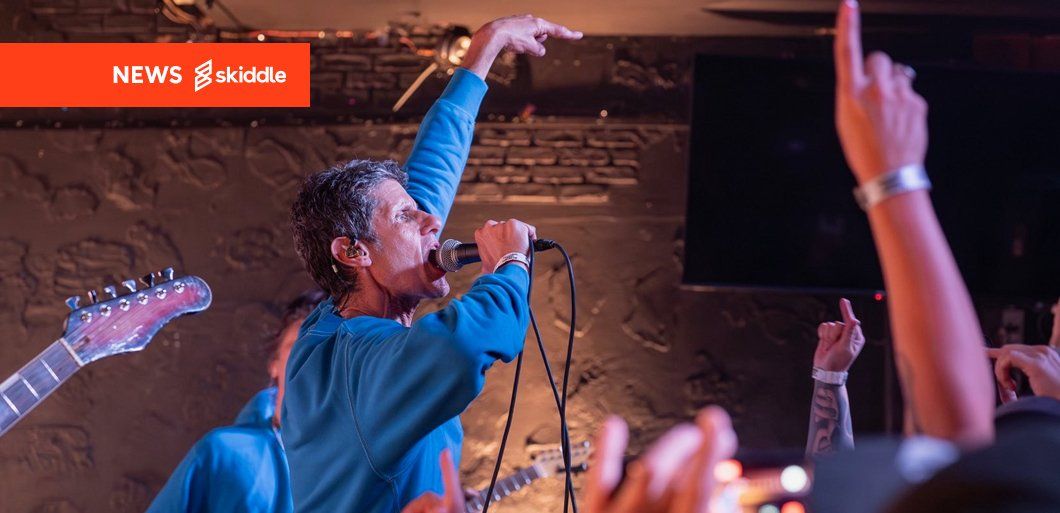
For hip-hop fans in the United Kingdom, June 2026 delivered a rare and memorable moment. Mike D, one-third of the legendary Beastie Boys, returned to the UK stage for the first time in nearly two decades, attracting attention from longtime rap enthusiasts and younger fans eager to witness a living piece of hip-hop history.
The appearance quickly became one of the month’s most talked-about events among London’s hip-hop community. While today’s rap landscape is dominated by streaming stars and viral sensations, Mike D’s return served as a reminder of the pioneers who helped transform hip-hop into a global cultural force.
For many attendees, the performances represented far more than a concert. They were an opportunity to celebrate one of the most influential figures in the history of rap music.
A Founding Figure in Hip-Hop’s Global Expansion
Few artists can claim a legacy comparable to that of the Beastie Boys.
Alongside Adam “MCA” Yauch and Adam “Ad-Rock” Horovitz, Mike D helped create one of the most successful and innovative groups in hip-hop history. Emerging from New York City’s vibrant music scene during the 1980s, the Beastie Boys broke barriers and expanded the reach of rap music to audiences around the world.
Albums such as Licensed to Ill, Paul’s Boutique, Check Your Head, and Ill Communication helped redefine what hip-hop could sound like. Their willingness to experiment with sampling, live instrumentation, punk influences, and unconventional songwriting inspired generations of artists across multiple genres.
Today, their influence can still be heard in modern hip-hop, alternative music, and pop culture.
Why Mike D’s Return Matters
The significance of Mike D’s UK appearance extends beyond nostalgia.
Modern hip-hop is now more global than ever before, with artists from London, Lagos, Paris, Johannesburg, and countless other cities contributing to the culture. Many younger fans know the Beastie Boys as legendary figures but have never had the opportunity to experience one of the group’s members live.
Mike D’s return created a rare bridge between different eras of hip-hop.
Older fans were able to reconnect with music that shaped their youth, while younger listeners gained firsthand exposure to an artist whose contributions helped lay the foundation for much of today’s rap landscape.
In an industry that often focuses on what’s next, events like these offer valuable reminders of where the culture came from.
London Continues to Celebrate Hip-Hop History
London has long served as one of the world’s most important hip-hop destinations.
The city consistently hosts major rap tours, cultural exhibitions, documentaries, and discussions celebrating the genre’s evolution. Mike D’s appearance reinforced London’s reputation as a place where both contemporary stars and legendary figures can find enthusiastic audiences.
The event also highlighted the growing interest in hip-hop history among younger generations.
As rap music approaches its sixth decade as a global cultural movement, fans are increasingly exploring the stories behind the artists who shaped the genre’s development. Documentaries, podcasts, museums, and live events have all contributed to a renewed appreciation for hip-hop’s pioneers.
Mike D’s appearance fit perfectly within that broader trend.
The Lasting Impact of the Beastie Boys
Even years after the group’s final performances, the Beastie Boys remain one of the most respected names in music history.
Their influence extends far beyond commercial success. They helped demonstrate that hip-hop could evolve creatively while reaching mainstream audiences. Their experimentation with production techniques, genre blending, and live performance helped expand the possibilities of rap music.
The group was also instrumental in proving that authenticity and artistic growth could coexist with commercial popularity.
Many contemporary artists cite the Beastie Boys as important influences, not only because of their music but because of their willingness to challenge expectations throughout their careers.
Mike D’s return reminded audiences of that enduring legacy.
A Cross-Generational Celebration
One of the most striking aspects of the UK performances was the diversity of the crowd.
Fans who grew up during the Beastie Boys’ peak stood alongside younger listeners who discovered the group through streaming platforms and social media. The shared appreciation for hip-hop culture created a unique atmosphere that transcended age differences.
This cross-generational appeal speaks to the timeless quality of the Beastie Boys’ music.
Their catalog continues to attract new listeners because it combines creativity, humor, energy, and innovation in ways that remain relevant decades after its release.
For many younger fans, seeing Mike D perform offered a direct connection to an important chapter in hip-hop history.
Preserving the Culture’s Legacy
As hip-hop continues to dominate global music charts, preserving its history becomes increasingly important.
Artists like Mike D serve as living links to the genre’s formative years. Their stories, experiences, and contributions help provide context for understanding how hip-hop evolved from a local cultural movement into a worldwide phenomenon.
Events featuring pioneering artists play a crucial role in keeping that history alive.
They encourage new generations to explore the roots of the music they love while honoring the individuals who helped create it.
Mike D’s UK return achieved exactly that.
Looking Ahead
While the appearance may have been brief, its impact resonated throughout London’s hip-hop community. The excitement surrounding Mike D’s performances demonstrated that there remains a strong appetite for celebrating rap’s history alongside its future.
As hip-hop continues to evolve, moments like these remind fans that the genre’s foundation is built upon decades of creativity, innovation, and cultural exchange.
For those fortunate enough to attend, Mike D’s return was more than a concert—it was a celebration of one of hip-hop’s most influential legacies.
Nearly two decades after his last UK performance, the Beastie Boys icon proved that great music, authentic artistry, and cultural significance never go out of style.
By Eli Jesse