




Sway Made History Before British Rap Had Mainstream Recognition
Sway’s breakthrough came at a time when British rappers were still fighting for recognition in a music industry heavily influenced by American hip-hop.
While UK garage and grime were developing distinct identities, many British MCs struggled to convince mainstream audiences that local rap could compete with the biggest names from the United States. Sway approached that challenge by developing his own sound, releasing independent music and building a reputation through mixtapes and live performances.
His defining moment came at the 2005 MOBO Awards, where he won Best Hip-Hop Act while still unsigned and before releasing his debut studio album. The victory was particularly significant because he beat internationally established American artists, including 50 Cent and The Game.
The achievement demonstrated that a British rapper could compete for major recognition without following the conventional route through a record company.
For Sway, the award was the result of a musical identity he had developed through years of independent work. For the wider scene, it was evidence that British hip-hop deserved to be taken seriously on its own terms.
This Is My Demo Established Sway as a British Rap Original
Following his MOBO success, Sway released This Is My Demo in 2006 through his own independent label, Dcypha Productions.
The album became one of the defining releases of his early career and received a nomination for the Mercury Prize, placing him among a wider group of artists recognised for their musical achievements.
What distinguished Sway was his ability to move between different styles without losing his identity as a lyricist. His music drew from British hip-hop, grime and club sounds, while his writing combined humour, personal experiences and social observations.
Songs such as “Little Derek” introduced listeners to his distinctive storytelling and personality. Rather than relying exclusively on the aggressive delivery associated with some contemporary rap, Sway demonstrated that a British MC could build a career through versatility, wordplay and memorable songwriting.
His independent approach also mattered. Releasing music through his own label gave him greater control over his creative direction and helped establish a business foundation outside the traditional major-label system.
That independence became an important part of his legacy, particularly for younger artists who would later use digital platforms and independent distribution to reach audiences.
From North London to International Collaborations
Although Sway remained closely associated with North London, his career eventually extended far beyond the local scene.
His catalogue included collaborations with artists such as Akon, Pharrell Williams, Lupe Fiasco and Ed Sheeran, demonstrating his ability to work across different audiences and musical environments.
His 2008 album, The Signature LP, continued his development as an artist, while later releases explored different sounds and approaches to songwriting.
In 2012, Sway reached a wider commercial audience with “Level Up”, featuring KSI. The track became a UK Top 10 hit and introduced his music to listeners who may not have followed his earlier independent releases.
The collaboration also became significant in retrospect because Sway played a role in supporting KSI’s musical development. Following Sway’s death, KSI publicly thanked him for believing in his potential and giving him an opportunity when others had not.
That relationship illustrates an important aspect of Sway’s career. His contribution was not limited to the music he released himself. He also helped create opportunities for other performers who were building their own audiences.
Sway’s Contribution to the Next Generation
Through Dcypha Productions, Sway worked to develop emerging talent and expand the opportunities available to British musicians.
One of the artists associated with his work was Tiggs Da Author, whose career benefited from Sway’s experience and involvement in artist development.
Sway understood the importance of creating pathways for musicians who might otherwise struggle to navigate the industry. His own career had demonstrated that an artist could attract major attention independently, but sustaining that success required more than recording good music.
Developing a business, building relationships and recognising talent were also essential parts of the process.
That experience gave Sway a perspective that younger artists could learn from. He had navigated the industry during a period when independent British rappers had fewer distribution options than they do today.
His willingness to work with emerging performers helped extend his influence beyond his own discography.
For a scene that has grown through collaboration, mentorship and independent creative communities, that contribution remains an important part of his story.
Beyond Music: Sway Appeared in Top Boy
Sway’s creative work also extended into acting. He appeared in the British crime drama Top Boy, playing Ross Rosten in the series’ early episodes.
The role introduced another dimension to his public profile and connected his music career with a television drama that became closely associated with London’s street culture.
His screen appearances reflected the broader range of interests he pursued throughout his career. Rather than restricting himself to one medium, he explored different ways to express himself and engage with audiences.
That versatility mirrored his approach to music, where he moved between genres and collaborations without becoming confined to a single category.
His career demonstrated that British rappers could build identities that extended beyond the recording studio, contributing to entertainment and culture in several different ways.
Tributes Follow Sway’s Death at 44
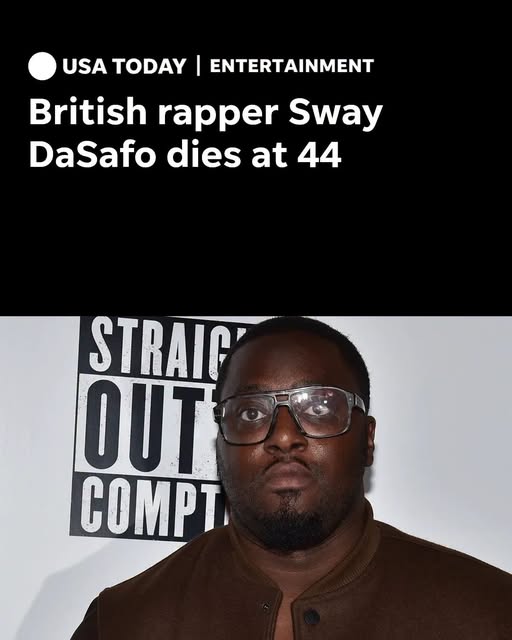
Sway’s death was announced on September 17, 2026, prompting tributes from the MOBO Awards, fellow musicians and fans across the UK and beyond.
The MOBO Awards remembered his historic 2005 victory as an important moment for British hip-hop. His achievement had challenged expectations about the commercial potential of UK rap and helped establish a new benchmark for independent artists.
KSI also paid tribute to the rapper, recognising the support he had received from Sway early in his musical journey. Other artists and industry figures highlighted his talent, generosity and contribution to the development of British music.
Sway died at his home in Ghana, according to reports confirming the news. He had previously spoken publicly about being diagnosed with Hodgkin lymphoma in 2010 and subsequently entering remission. No official cause of death was announced in the initial reports.
He was 44 and left behind four children.
The tributes reflected both his musical achievements and the relationships he had built throughout his career. For many listeners and fellow artists, his importance extended beyond awards and chart positions.
Why Sway’s Legacy Still Matters to UK Hip-Hop
British hip-hop has changed significantly since Sway began releasing music. UK drill, grime, alternative rap and internet-driven underground scenes have created new routes for artists to reach audiences, while British performers have become increasingly visible internationally.
Yet many of the opportunities available to today’s musicians build on work carried out by earlier generations.
Sway helped establish the idea that a British rapper did not need to imitate American artists or depend entirely on a major label to earn recognition. His MOBO victory, Mercury Prize-nominated debut and independent business activities provided concrete examples of what was possible.
His career also demonstrated the value of versatility. He could move between grime, thoughtful hip-hop, commercial collaborations and acting while maintaining a recognisable creative identity.
Perhaps most importantly, he supported other artists and helped them develop their own opportunities.
Sway DaSafo’s legacy therefore extends beyond the records he left behind. He was part of a generation that helped change how British rap was understood, both within the UK and internationally.
As new artists continue to build careers from London and other British cities, his story remains a reminder that independent vision, technical ability and a willingness to support others can have an impact far beyond one person’s success.