
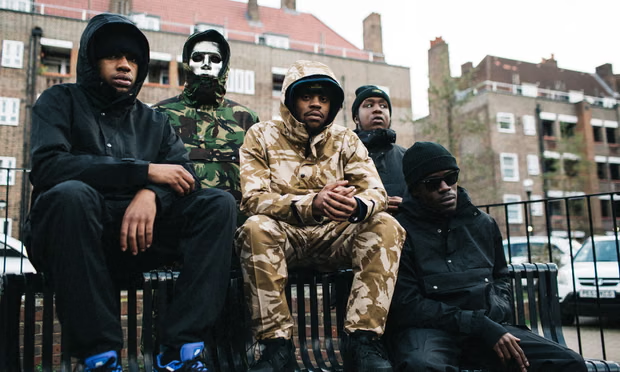
UK Hip-Hop Talk: Trends and Gossip That Dominated Late January
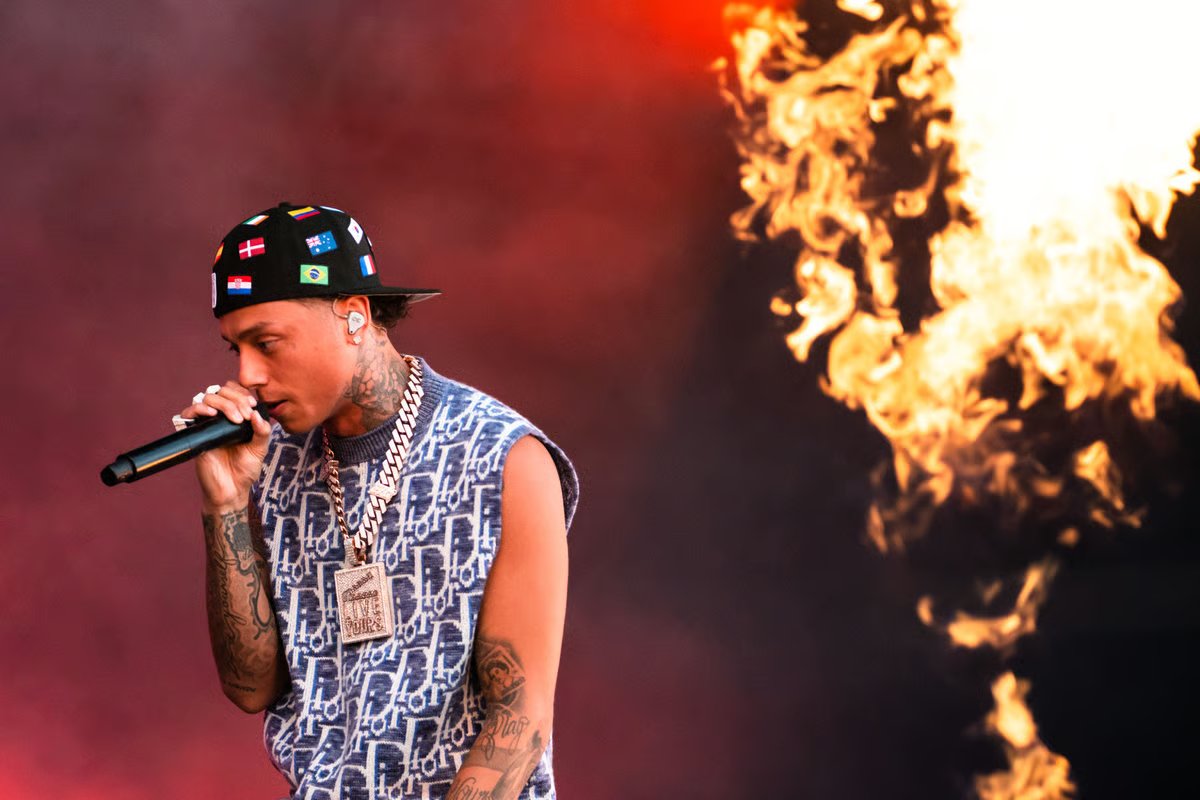
The last week of January wasn’t loud with surprise albums or blockbuster announcements, but conversation in UK hip-hop was active everywhere — from social media timelines to group chats, studios, and radio shows. While artists kept music flowing, the culture itself became the headline, with moments that sparked debate, sympathy, and reflection.
London once again proved that UK hip-hop isn’t just about drops — it’s about dialogue.
Central Cee’s Loss Sparks Industry-Wide Reaction
One of the most talked-about moments came from Central Cee, who revealed that a storage unit containing years of personal belongings had been broken into and cleared out. The news spread quickly, with fans reacting not just to the value of what was lost, but to what it represented — years of grind, memories, and milestones tied to his journey.
Rather than turning the moment into outrage, Central Cee handled it calmly, earning respect from fans and peers alike. The situation sparked wider conversation about security, success, and how quickly lifestyle changes once artists reach the upper tiers of the game.
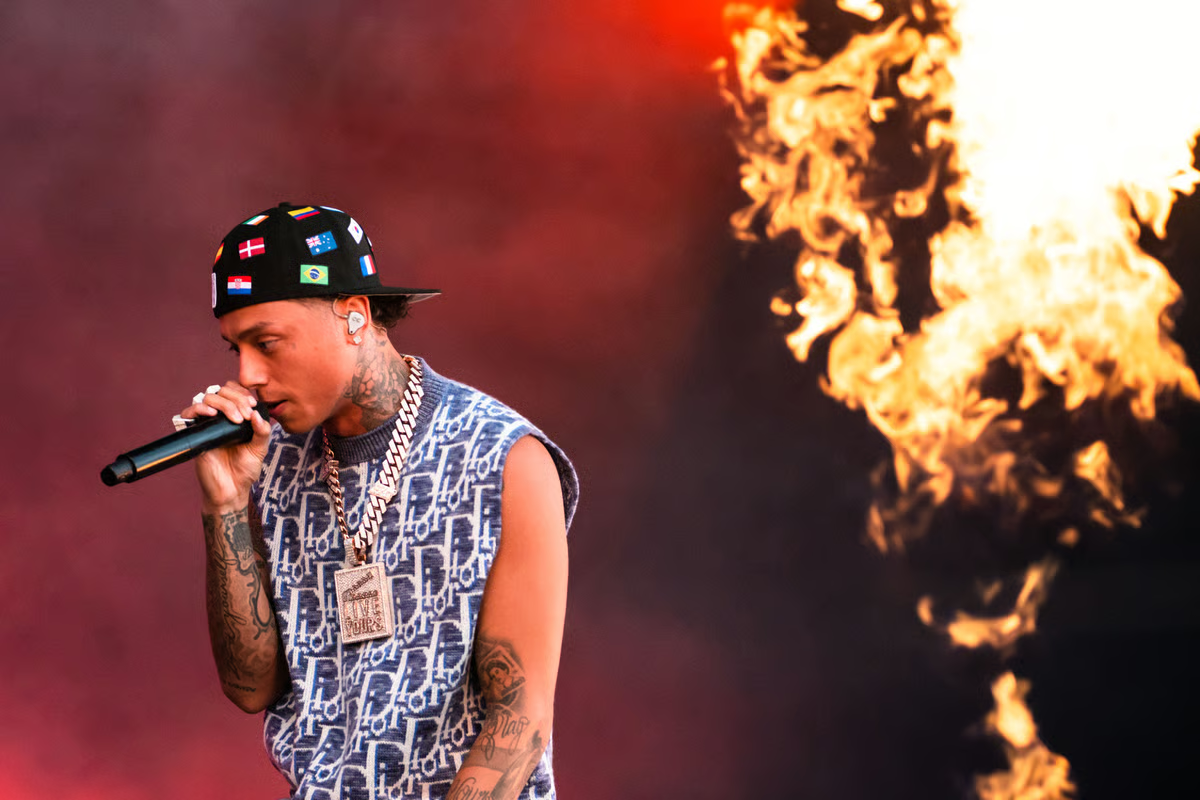
The moment humanised one of the UK’s biggest rap exports and reminded fans that even at the top, losses still hit home.
Lyrics, Drill, and the Law Back in the Spotlight
Another major talking point toward the end of January was the renewed debate around rap and drill lyrics being used in UK court cases. Artists, fans, and activists voiced frustration over how creative expression continues to be scrutinised differently within hip-hop culture.
For drill artists in particular, the discussion hit close to home. Many argued that lyrics are exaggerated storytelling — not confessions — while others acknowledged the fine line between reality and art. Social media platforms were filled with think pieces, clips, and heated debates about whether UK hip-hop is unfairly targeted compared to other genres.
This wasn’t a new issue, but the timing reignited it, reinforcing how closely UK drill is tied to real-world consequences.
Drill Fans Debate the Sound’s Direction
By the end of January, another conversation had quietly gained momentum: has UK drill reached a creative plateau?
Some listeners argued that the genre has become too predictable, pointing to similar beat structures and repetitive flows. Others pushed back, saying drill doesn’t need reinvention — it needs refinement and space for new voices.
This back-and-forth wasn’t hostile. It reflected a fanbase that cares deeply about the genre’s future. The fact that these conversations happen at all shows how invested the audience remains in UK drill’s evolution.
Global Hip-Hop Buzz Spills Into the UK
While the focus stayed local, global hip-hop still influenced the week’s energy. Speculation around Drake and his upcoming album kept timelines busy, with UK fans debating features, production direction, and potential UK collaborations.
Even when the music isn’t homegrown, global rap conversations continue to shape how UK audiences engage with the culture — influencing expectations, sounds, and industry standards.
Image Over Hype: A Quiet Shift
One subtle trend that stood out during the final week of January was a move away from flashy promotion. More artists opted for low-key visuals, minimal announcements, and organic rollouts. Instead of chasing viral moments, many focused on consistency and audience trust.
This shift suggests a scene maturing — less reliant on spectacle, more focused on longevity.
Why This Week Mattered
Late January wasn’t about shock drops or beef. It was about perspective. UK hip-hop showed its depth through conversation, accountability, and self-reflection. From personal losses to legal debates and sound evolution, the culture stayed alive without forcing headlines.
London didn’t just make music that week — it made meaning.
As February approached, one thing was clear: UK hip-hop entered the new month aware of itself, protective of its art, and ready to keep moving forward.