
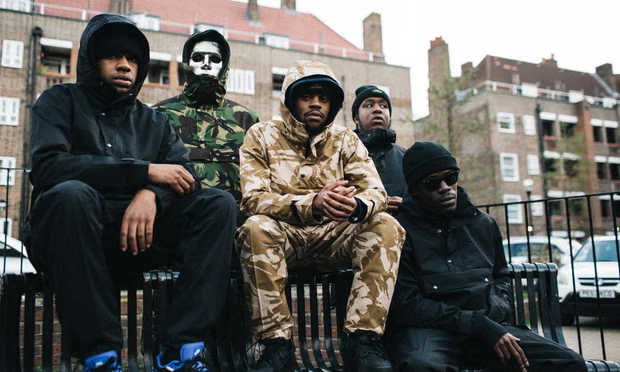
London Sets the Tone With Gritty UK Hip-Hop and Drill Drops
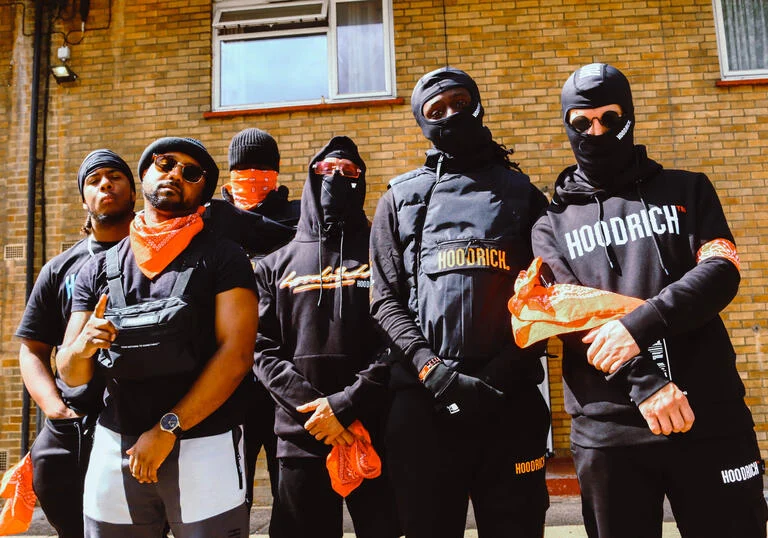
The final stretch of January proved once again that London remains the engine room of UK hip-hop and drill. While mainstream charts leaned toward melodic rap and crossover hits, the underground stayed active, raw, and unapologetically street. From DJ-driven releases to platform-ready singles, the last week of January saw artists pushing sound, pressure, and presence across the capital.
This period didn’t rely on heavy promotion. Instead, tracks circulated organically through DJ pools, playlists, and word of mouth — the same grassroots system that built UK drill into a global force.
Underground Drill Keeps the Streets Fed

As January closed, London drill continued to thrive below the surface. Several records gained traction through DJ circuits before making noise online. These weren’t radio-friendly drops — they were built for reloads, night drives, and street credibility.
Producers leaned into dark 808s, sliding basslines, and minimalist melodies, leaving space for rappers to deliver cold, clipped flows. The focus was less on hooks and more on realism, reinforcing drill’s reputation as the raw diary of city life.
Artists like Pozer circulated new material that resonated strongly with DJs and tastemakers. His delivery balanced aggression with clarity, making the track easy to spin in sets without losing its edge. Similarly, Teezandos added to the week’s momentum with a drill record rooted in authenticity rather than trends.
These drops didn’t chase viral moments — they reinforced loyalty among core listeners.
UK Rap Finds Balance Between Charts and Culture
While drill dominated underground spaces, UK rap maintained a strong presence across streaming platforms. London artists continued blending street narratives with accessible production, allowing tracks to travel between playlists, clubs, and charts.
Late January also highlighted how UK rap no longer needs to choose between credibility and commercial reach. Artists can exist in both worlds — street-approved and globally streamed.
Established voices and collaborators kept momentum alive, while newer names benefited from being placed in DJ rotations alongside veterans. This coexistence has become one of London’s biggest strengths: the scene grows without erasing its roots.
DJs Still Decide What Breaks First
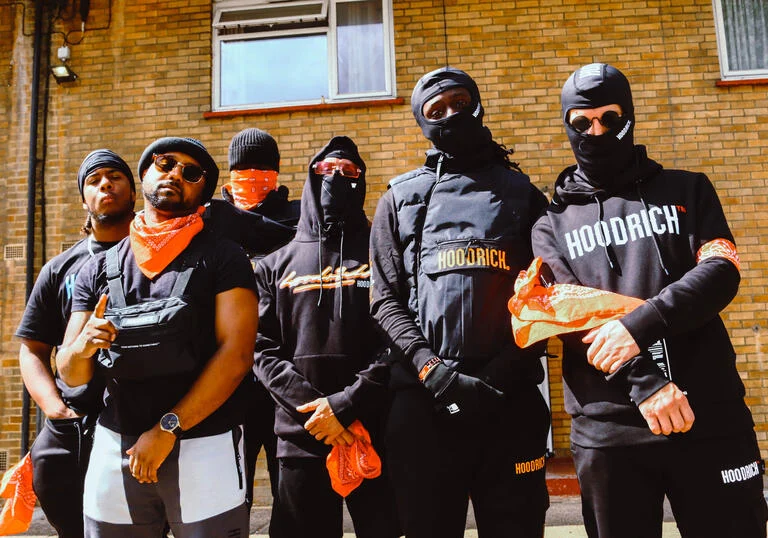
One of the biggest takeaways from the last week of January is the continued importance of DJs in UK hip-hop culture. Long before songs peak on streaming apps, they pass through DJ pools, radio shows, and club sets.
This system allows artists to test records in real environments — gauging crowd reaction, reload potential, and staying power. Tracks that survived this stage often went on to gain organic traction online, proving that London’s hip-hop ecosystem still values authenticity over algorithms.
In many ways, this period reflected an old-school mentality applied to a modern scene.
Sound Trends Shaping London Right Now
By the end of January, a few clear sonic patterns had emerged:
• Drill beats becoming more stripped-back and atmospheric
• Rappers favoring shorter, sharper verses
• Less emphasis on flashy visuals, more on consistency
• Increased crossover between UK rap and drill audiences
Rather than reinventing the genre, London artists focused on refining what already works, ensuring longevity instead of chasing novelty.
Why This Week Mattered
The last week of January may not have produced blockbuster headlines, but it played a crucial role in setting the tone for the months ahead. It showed that London’s hip-hop scene doesn’t slow down after the holidays — it sharpens.
With artists staying active, DJs staying influential, and audiences staying locked in, UK hip-hop and drill entered the new year grounded, confident, and focused.
London didn’t shout.
It spoke clearly — and the streets listened.