London Live: UK Hip-Hop and Urban Shows Closed January on a High
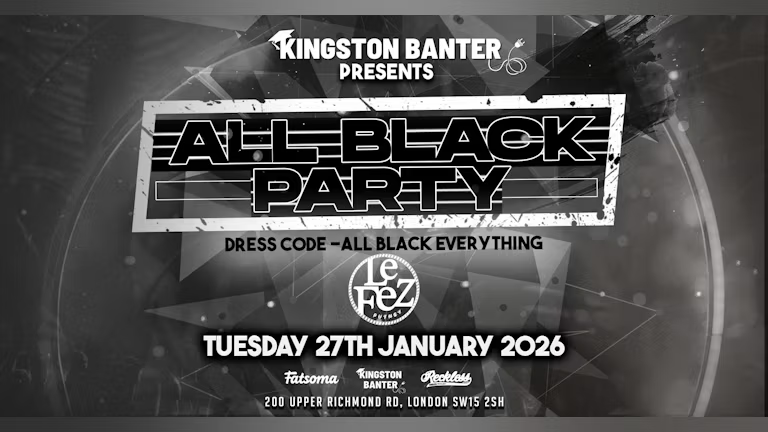
London didn’t slow down as January came to an end. Instead, the city leaned into its reputation as Europe’s hip-hop capital, hosting a run of live shows, DJ nights, and culture-driven events that reflected the diversity of the UK scene. From underground club energy to established venue performances, the final week of January showed how deeply hip-hop culture is embedded in London nightlife.
Rather than headline-heavy arena concerts, this week belonged to intimate venues, DJs, and community-led events, where sound, crowd reaction, and authenticity mattered most.
Club Nights That Kept Hip-Hop at the Center
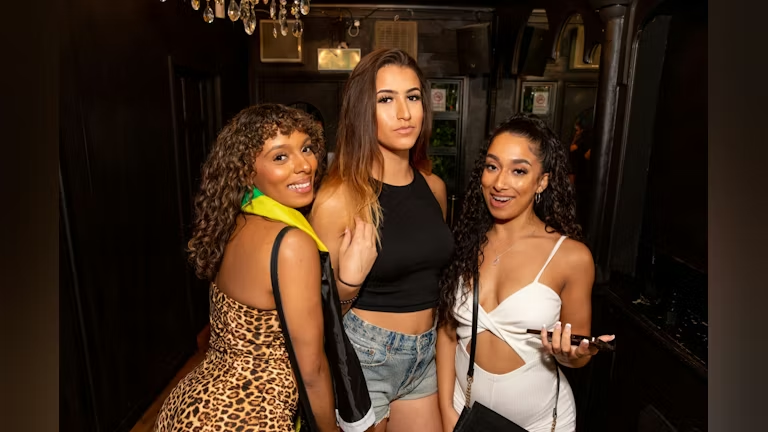
Throughout the week, several London clubs curated hip-hop-focused nights that blended UK rap, drill, Afrobeats, and bashment. These weren’t passive listening events — they were built for movement, reloads, and crowd control.
Venues like Trapeze Bar hosted hip-hop and bashment-driven nights that attracted a young, plugged-in audience. DJs leaned heavily into UK rap and drill selections, mixing street anthems with global hip-hop influences. The atmosphere reflected what London does best: merging sounds without diluting identity.
Meanwhile, Lightbox London delivered party-driven sets that leaned toward R&B and hip-hop crossovers. While not strictly drill-focused, these nights still played an important role in keeping hip-hop culture present in mainstream nightlife spaces.
Live Performances and Cultural Spaces
Beyond clubs, live performance venues added depth to the week’s lineup. Jazz Cafe continued its tradition of hosting hip-hop-rooted performances, drawing in fans who value live vocals, band-backed sets, and legacy acts. These shows appealed to listeners who appreciate hip-hop not just as a sound, but as a living culture.
The presence of such venues during the week highlighted London’s balance — honoring hip-hop’s history while still pushing new movements forward.
DJs, Sound Systems, and the Underground
As January closed, DJ-led events dominated the city’s energy. Rather than focusing on individual star power, these nights emphasized collective experience. Sets moved fluidly between UK drill, grime, hip-hop, and bass-heavy club records.
One standout venue was Fabric London, which hosted multi-artist and DJ-driven showcases toward the end of the week. These nights blurred genre boundaries while keeping hip-hop at the core, attracting a crowd that values sound system culture just as much as lyricism.
These events reinforced the idea that DJs still play a critical role in shaping what breaks in London. Before records dominate streaming platforms, they dominate the dancefloor.
Why These Shows Mattered
The last week of January wasn’t about viral moments or major announcements. It was about consistency. London’s hip-hop ecosystem showed its strength by staying active across multiple layers — clubs, live venues, DJ spaces, and cultural hubs.
These shows kept artists visible, DJs influential, and audiences engaged. More importantly, they reminded everyone that London hip-hop doesn’t wait for industry validation. It moves on its own rhythm.
London’s Momentum Moving Forward
As the calendar flipped into February, the energy from these late-January shows carried forward. Artists continued dropping music, DJs continued testing records, and venues stayed booked with culture-driven events.
London didn’t just end January strong — it set the tone for what the year would sound like.